Invisalign Aftercare: Keeping Your New Smile Beautiful
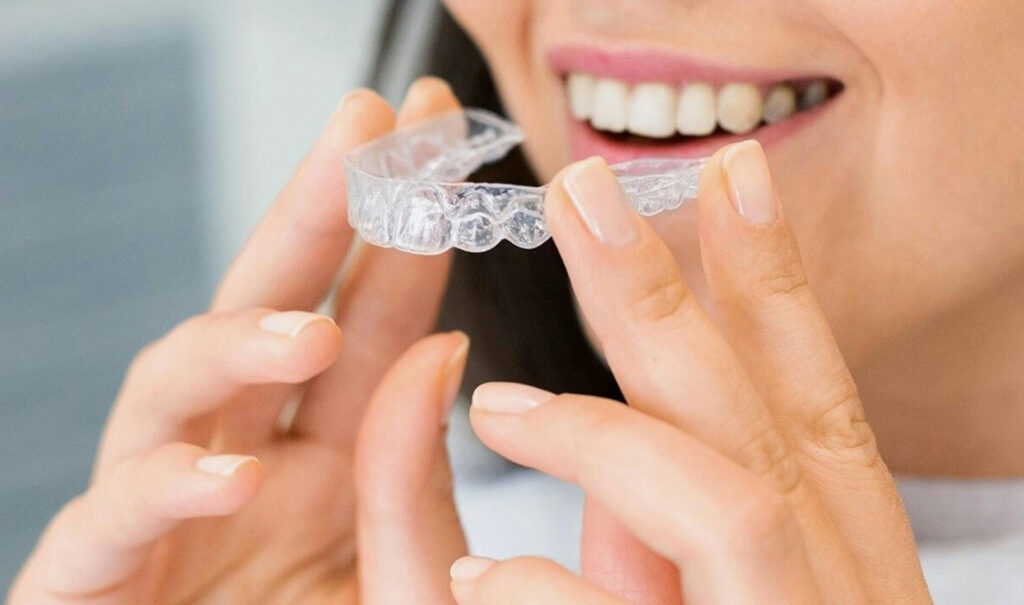
Finishing Invisalign is a satisfying milestone. After months of changing aligners, keeping trays in for most of the day, and watching small shifts add up to a big change, you finally see the result in the mirror. Straight teeth tend to get the attention, but what matters just as much is what happens next. Teeth are not set in concrete once treatment ends. They have memory, the surrounding bone is still remodeling, and everyday habits can either protect your result or slowly undo it.
That is why aftercare deserves real attention. In practice, the people who keep their Invisalign result looking excellent for years are rarely the ones with the fanciest products or the most complicated routines. They are usually the ones who understand the basics, wear their retainers properly, keep their teeth and gums healthy, and deal with small issues before they turn into expensive ones.
There is also a psychological shift after treatment. During active Invisalign treatment, the system itself keeps you disciplined. You have trays to change, appointments to attend, and a visible process to follow. Once you are “done,” it becomes easier to relax too much. That is often the point where relapse begins, not dramatically, but subtly. A tiny rotation returns. A https://medium.com/@omnidentalspecialty/about front tooth edges forward. The retainer feels tighter after a few skipped nights. By the time someone notices, the smile they worked hard for is no longer as stable as it could have been.
Good aftercare is not difficult, but it does require consistency and judgment. Some parts are universal, such as retainer wear and regular hygiene. Other parts depend on your bite, your dental history, whether you grind your teeth, and whether you had attachments, interproximal reduction, or finishing refinements during treatment. A patient who had mild spacing corrected has a different risk profile from someone whose teeth were crowded, rotated, or moved significantly.
The first few weeks after Invisalign matter more than most people realize
Right after active treatment, your teeth look aligned, but the tissues around them are still settling. Bone and periodontal ligaments need time to adapt to the new positions. This is why the early retention phase tends to be strict. Many orthodontists recommend full-time retainer wear at first, then a gradual shift to nighttime use. Exact instructions vary, and your own provider’s plan should always come first.
Patients sometimes assume that because the aligners already moved the teeth, the retainers are just a formality. They are not. The retainer is what protects the result while your mouth stabilizes. Without that support, teeth can drift faster than people expect, especially during the first several months.
A common real-life scenario goes like this: someone finishes Invisalign before a wedding, a graduation, or a job change. They love the way their smile looks and feel comfortable not wearing the retainer quite as instructed because the active treatment is over. At first, nothing seems different. Then the retainer starts to feel snug. That snugness is not random. It usually means teeth have already begun to move.
If you remember only one thing from the early aftercare period, let it be this: a retainer that suddenly feels tight is giving you useful information. It is not something to ignore.
Retainers are the center of aftercare
Most long-term success after Invisalign comes back to retainer use. Whether you have clear retainers, a bonded retainer, or a combination of both, retention is what keeps your new smile from drifting.
Clear retainers look similar to aligners, which can be misleading. They may seem interchangeable, but their job is different. Aligners are designed to move teeth in stages. Retainers are designed to hold teeth still. They should fit securely and comfortably, without the active pressure of a treatment tray sequence.
Bonded retainers are often placed behind the front teeth, commonly on the lower arch and sometimes on the upper arch depending on the case. They can be extremely helpful, especially for lower front teeth that like to crowd over time. Still, they are not a complete substitute for removable retainers in every patient. Bonded wires can loosen, break, or allow small shifts in teeth not attached to the wire. That is why many orthodontists still prescribe removable retainers as part of the long-term plan.
The practical challenge is not understanding retainers. It is staying faithful to them after the sense of urgency fades. People are diligent for the first few months, then life intervenes. Travel, late nights, illness, and routine changes all make it easier to skip wear. The patients who maintain their Invisalign result best usually build retainer use into something automatic, as ordinary as brushing before bed.
Here is the simplest version of a solid retainer routine:
- Wear your retainer exactly as prescribed, especially during the first months after treatment.
- Clean it daily with a soft brush, lukewarm water, and a cleaner approved by your dental provider if needed.
- Store it in its case whenever it is not in your mouth.
- Keep it away from heat, including hot water, car dashboards, and pockets during laundry day.
- Contact your provider promptly if it cracks, warps, or suddenly fits too tightly.
That last point saves a surprising number of smiles. People often wait too long after losing or damaging a retainer. A few days may not matter much in a very stable case, but a few weeks can absolutely matter in a mouth prone to relapse.
Clean retainers protect more than appearance
A neglected retainer quickly becomes obvious to anyone who handles these devices regularly. It turns cloudy, develops odor, and collects deposits that are not just unattractive but unhealthy. If you place a dirty retainer against your teeth and gums night after night, you create a warm environment for bacteria and plaque accumulation. The result can be bad breath, irritated gums, and an increased risk of decay, especially if oral hygiene is already inconsistent.
Cleaning does not need to be aggressive. In fact, aggressive cleaning causes its own problems. Toothpaste can be too abrasive for some clear retainers, leaving fine scratches that trap more buildup over time. Boiling water or very hot water can distort the plastic enough to alter the fit. Harsh chemicals can also damage the material.
A better approach is regular, gentle cleaning. Rinse the retainer when you remove it. Brush it softly. If your provider recommends a retainer soak or cleaning tablet, use it as directed. If mineral buildup develops, mention it at your next appointment rather than trying a home remedy that may do more harm than good.
This is one area where small discipline pays off. A retainer cleaned for one minute each day stays easier to maintain than one ignored for two weeks and then scrubbed frantically before an appointment.
Your teeth still need classic oral care
Aftercare for Invisalign is not just about the appliance. It is about keeping the teeth, enamel, and gum tissue in excellent condition so the smile remains healthy as well as straight.
Many patients finish treatment with better brushing habits than they had before. Invisalign tends to force awareness because you are removing trays, cleaning your mouth more often, and noticing the surfaces of your teeth more closely. The challenge is preserving that standard after the routine becomes less demanding.
Plaque control matters because inflamed gums do not frame a smile well, no matter how aligned the teeth are. Swollen gums can also make retainers feel different and may mask early changes in fit. If there were any areas of decalcification, sensitivity, or recession during treatment, those deserve special attention after treatment ends.
Fluoride remains valuable for many adults and adolescents after Invisalign, particularly if they are cavity-prone or had hygiene lapses during treatment. A dentist may recommend prescription-strength fluoride, especially when there are early enamel changes or a history of frequent decay. For others, a good fluoride toothpaste and consistent brushing may be enough.
Interdental cleaning should not be treated as optional. Straight teeth are easier to clean, but “easier” does not mean self-cleaning. Floss or interdental brushes help keep gums firm and reduce the bleeding that some patients notice once trays are no longer covering the teeth for most of the day.
Professional cleanings matter too. Orthodontic aftercare often works best when the orthodontist and general dentist stay in the loop together. One monitors alignment and retention, the other monitors the broader health of teeth and gums. When those two sides work together, problems are usually caught earlier.
Eating and drinking habits can slowly change the result
One advantage of Invisalign during treatment is that you remove the trays to eat, so there are fewer food restrictions than with fixed braces. After treatment, that freedom continues, but there is a trade-off. Some people celebrate the end of Invisalign by returning to habits that are hard on enamel or restorations, such as frequent sugary drinks, ice chewing, or excessive snacking.
Aftercare is not about becoming rigid. It is about recognizing what threatens long-term dental health. Teeth that are straight but chipped, stained, or constantly inflamed do not look their best. If whitening is part of your post-treatment plan, it should be done thoughtfully and ideally with your dentist’s guidance, especially if you have composite bonding, crowns, or sensitivity. Natural teeth may whiten, but restorations do not change color in the same way, which can lead to uneven aesthetics.
Coffee, tea, red wine, and tobacco can also dull the brightness of a newly finished smile. Retainers themselves can discolor if they are exposed repeatedly to staining substances or inserted before the mouth is clean. That does not mean you need to avoid every pleasure. It means a rinse, a brush, and sensible timing go a long way.
Grinding, clenching, and bite changes deserve attention
A very common blind spot in Invisalign aftercare is bruxism, meaning grinding or clenching. Some patients discover during treatment that they press into their trays at night. Others only notice after treatment ends because the retainer shows wear or cracks earlier than expected.
Grinding can affect more than the retainer. It can chip edges, strain jaw muscles, and put pressure on teeth that have recently been moved. In some cases, a retainer may also function as a light protective barrier, but it is not always a full substitute for a night guard in someone with significant bruxism. That decision depends on the material, the pattern of wear, and whether the retainer is being damaged regularly.
A bite can also continue to settle after Invisalign, particularly if there were major movements or if elastics were used during treatment. Minor changes are sometimes normal, but persistent uneven contact, discomfort when chewing, or difficulty seating a retainer should be assessed. It may be nothing serious, or it may signal a need for adjustment, equilibration, or refinement of the retention plan.
This is where judgment matters. Not every twinge is a problem, but repeated signs are worth taking seriously. If a patient says, “My back teeth feel different every morning,” or “I keep cracking retainers,” that deserves a closer look.
Whitening, bonding, and other finishing touches
For many people, the end of Invisalign is not only about alignment. It is the first time they notice shape differences, old wear, small chips, or color variation between teeth. Once the crowding is gone, these details stand out more clearly.
That is not a flaw in the treatment. It is simply that straighter teeth reveal the canvas more honestly. Sometimes the next best step is whitening. Sometimes it is edge bonding to smooth minor asymmetries. Occasionally, contouring or replacement of older dental work makes the smile feel more finished.
The order matters. If whitening is planned, it is usually smarter to do that before bonding, because composite shade matching works best after the natural tooth color is where you want it. If retainers were fabricated before cosmetic finishing, they may need to be remade afterward so the fit remains precise.
This stage often benefits from restraint. There is a temptation to chase perfection once the smile has already improved dramatically. The better approach is to preserve character while correcting what genuinely distracts from the result. The most attractive smiles are not always the most uniform. They are the ones that look healthy, balanced, and believable.
Travel, routine disruptions, and the “I forgot my retainer” problem
The easiest time to lose momentum with aftercare is when normal life is interrupted. Holidays, work trips, sleepovers, late flights, and packed mornings all create openings for missed wear. That is why travel systems matter.
Patients who do best tend to have duplicates or at least a backup plan. Some keep a case in their suitcase permanently. Others store an extra retainer at a parent’s house or in a secure drawer if their provider recommends having a spare. This is especially practical for teenagers, college students, and adults who travel frequently for work.
The most common mistake is wrapping a retainer in a napkin at a restaurant. That little package is almost designed to be thrown away. Lost retainers often disappear exactly that way. Another common mistake is placing them in a pocket, then sending the clothing to the wash. Heat and tumbling can ruin the fit completely.
If you miss a night, the right response is usually simple: resume wear as soon as possible. If the retainer seats fully but feels snug, that is a warning to be more consistent. If it no longer fits, do not force it aggressively. Call your provider and ask what they want you to do next.
Warning signs that should not wait
Most aftercare questions are routine, but some situations should prompt quicker contact with your orthodontist or dentist.
- A retainer that no longer fits or needs significant force to seat.
- A bonded retainer wire that feels loose, bent, or broken.
- Noticeable tooth movement, especially in the front teeth.
- Persistent gum bleeding, swelling, or bad breath despite brushing and flossing.
- Cracks, sharp edges, or repeated breakage of the retainer.
People often hesitate because they hope the issue will settle on its own. Sometimes it does. Often it does not. The earlier a small relapse or retainer problem is managed, the easier it is to correct.
Teenagers, adults, and long-term expectations
Aftercare looks a little different depending on age and lifestyle. Teenagers may need more supervision in the retention phase than parents expect. Once treatment is over, compliance can drop quickly because the visible process has ended. Adults are often more consistent, but they are not immune to fatigue, especially if work, parenting, or travel keeps them stretched thin.
Adults also tend to ask the most direct long-term question: “Will I have to wear a retainer forever?” In practical terms, many people need some form of retention indefinitely if they want to preserve the exact result. Teeth continue to experience forces from chewing, aging, gum changes, and natural drift. Nighttime retainer wear long term is a modest commitment compared with repeating orthodontic treatment later.
That answer may sound blunt, but it is honest and usually well received when framed properly. The real choice is not between wearing a retainer forever and doing nothing forever. The real choice is between ongoing maintenance and the risk of gradual relapse.
A beautiful smile is also a stable one
The best Invisalign aftercare is not glamorous. It is measured in quiet habits: putting the retainer in at night, cleaning it in the morning, scheduling checkups, and noticing changes before they become obvious. Those habits protect the investment of time, money, and discipline that treatment required.
There is also something reassuring about that. Keeping a new smile beautiful does not depend on perfection. It depends on consistency. If you wear your retainers properly, keep your mouth healthy, and respond quickly when something feels off, the odds are strongly in your favor.
A smile that looks natural years after Invisalign usually has a story behind it. Not just the story of treatment, but the story of maintenance done well. That is the part patients do not always see on the day the last aligner comes out, yet it is the part that preserves everything they worked for.
Omni Dental Specialty
Address: 1690 E Gonzales Rd, Oxnard, CA 93036
Phone number: +18053666000
FAQ About Invisalign
How much does Invisalign actually cost?
The out-of-pocket cost for Invisalign typically ranges between $3,000 and $8,000, with most patients paying a national average of roughly $5,100 to $5,700 before insurance.
What is the downside to Invisalign?
The biggest downsides to Invisalign are the intense discipline required to wear the trays 22 hours a day, the inconvenience of removing them to eat or drink, and the inability to fix severe, complex orthodontic issues.
Is $5000 a lot for Invisalign?
No, $5,000 is not considered a lot for Invisalign; it is exactly the national average. Treatment costs typically fall between $3,000 and $8,000, and $5,000 is the standard fee for a moderately complex case that takes 6 to 18 months to complete.