General Dentist Treatments That Save You Time and Money
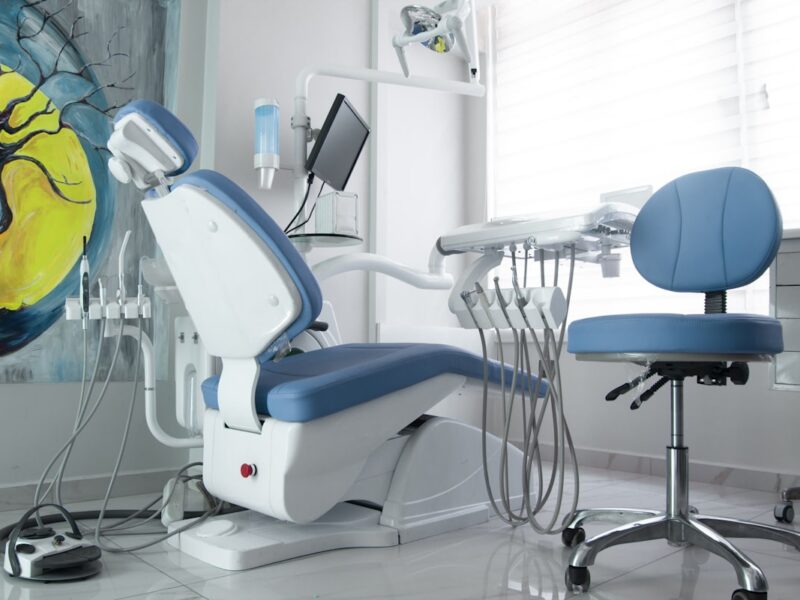


People tend to think of dental care in separate boxes. There is the cleaning you know you should schedule, the filling you hope to avoid, the crown that sounds expensive, and the emergency visit that always seems to happen at the worst possible time. In practice, those boxes overlap. The right treatment at the right moment can prevent a chain of appointments, missed work, repeat numbness, and much larger bills a year or two later.
That is where a good general dentist earns their keep. General dentistry is not only about fixing obvious problems. It is about spotting small changes before they become painful, recommending the least invasive solution that will hold up, and helping patients avoid the false economy of delay. I have seen people spend far more trying to “wait and see” than they would have spent handling the issue early. I have also seen the opposite, where a patient assumed a dramatic treatment was inevitable and found that a conservative repair bought them years of comfort and function.
Saving time and money in dentistry rarely comes from chasing the cheapest line item. It comes from preserving tooth structure, preventing complications, and reducing the number of times you need to be in the chair. That sounds simple, but it takes judgment. Not every stain needs treatment, not every crack needs a crown, and not every ache can safely be ignored. The most cost effective care is often the care that respects timing.
The quiet value of prevention
The least expensive dental treatment is usually the one that keeps you from needing treatment at all. That is not marketing language. It is the practical reality of how dental disease progresses.
Plaque does not become a cavity overnight. Gum inflammation does not turn into bone loss in a week. Teeth usually give warning signs, subtle ones at first, then louder ones if nothing changes. Regular exams and cleanings let a general dentist catch problems while they are still small enough to manage conservatively. A pinpoint cavity between teeth may need a modest filling. Left alone, that same area can spread deeper, weaken the tooth, and eventually require a crown or root canal.
The cost difference is not trivial. Fees vary by location and insurance, but almost everywhere, a filling costs far less than a crown, and a crown costs far less than a root canal plus crown or extraction plus replacement. The time difference matters too. A filling can often be completed in a single visit. More advanced treatment usually means multiple appointments, more recovery, and more disruption to your week.
Cleanings matter for another reason that patients sometimes overlook. Tartar buildup changes the environment in the mouth. It traps bacteria, irritates the gums, and makes home care less effective. Once gums become chronically inflamed, they tend to bleed, recede, and create deeper pockets that are harder to keep clean. Early gum treatment is far simpler than advanced periodontal therapy, and it preserves far more than your smile. It preserves the bone that supports your teeth.
Fillings that stop a small problem from becoming a big one
A cavity is one of the clearest examples of a treatment that saves both time and money when done early. Patients often wait because the tooth does not hurt. Unfortunately, pain is not a reliable measure of severity. Some cavities stay silent until they are close to the nerve.
A small filling is usually straightforward. The general dentist removes the decayed portion, restores the shape of the tooth, checks the bite, and you move on. Modern tooth colored materials can bond well and look natural, which often means less tooth needs to be removed compared with older methods. When the decay is caught early, the appointment can be remarkably uneventful.
The picture changes once decay undermines a cusp or spreads near the pulp. Then you may be looking at a larger restoration, a crown, or if the nerve becomes infected, a root canal. At that stage, the decision is no longer about whether to spend money. It is about how much treatment is required to save the tooth at all.
There is also a timing issue that people underestimate. Once a tooth breaks because decay hollowed it out from within, schedules tighten. You may need an emergency slot, https://reidvckj041.tearosediner.net/how-a-general-dentist-helps-maintain-oral-hygiene-standards temporary measures, or time away from work you did not plan for. Preventive fillings are rarely dramatic, and that is their advantage. Quiet dentistry is often the most efficient dentistry.
Dental sealants are not just for children with perfect attendance at the dentist
Sealants are sometimes dismissed as optional, but they can be highly practical, especially for molars with deep grooves that trap food and bacteria. Those back teeth are built for chewing, but their anatomy also makes them hard to clean thoroughly, even for conscientious brushers.
For children and teenagers, sealants can protect newly erupted permanent molars during the years when brushing habits are still maturing. For some adults, they can still make sense if the grooves are deep and the surfaces are not already restored. The treatment is quick, noninvasive, and far cheaper than restoring a cavity later.
This is not a universal recommendation. If a tooth already has decay, a sealant is not the right answer. If someone has shallow grooves and excellent plaque control, the benefit may be limited. But in the right patient, sealants are one of those low effort interventions that quietly reduce future treatment needs.
Periodontal care before gum disease becomes expensive
Many patients are far more worried about cavities than gum disease, yet gum disease can be the more costly and time consuming problem over the long term. It often starts with mild inflammation, occasional bleeding during brushing, and a little tartar near the gumline. None of that feels urgent. That is exactly why it progresses.
When caught early, gingivitis can often be reversed with a professional cleaning and better home care. Once the disease advances into periodontitis, the calculus changes. Now the concern is not only inflamed gums but also bone loss, deeper pockets, and increased risk of tooth mobility. Treatment becomes more involved. You may need scaling and root planing, closer maintenance intervals, and a more structured plan to keep the disease stable.
Patients sometimes hesitate when they hear they need more than a “regular cleaning.” I understand the reaction. Nobody wants to hear that a routine visit is turning into something bigger. But avoiding early periodontal treatment is one of the costliest delays in dentistry. Replacing teeth lost to gum disease is far more demanding than maintaining the ones you have.
A general dentist can often identify early signs before they become severe, and that early intervention matters. It can spare you from more frequent appointments later and protect the supporting structures that no filling or crown can replace.
Night guards can prevent a cascade of repairs
One of the most underrated time and money savers in general dentistry is a custom night guard. Patients often think of it as a comfort item, something optional for people who clench a little. In reality, chronic grinding can crack enamel, wear teeth flat, loosen dental work, strain jaw muscles, and create a pattern of repeated repairs.
I have seen patients replace the same filling more than once because the true issue was not the filling material. It was uncontrolled bite pressure. A night guard does not cure stress, but it can absorb and redistribute force while you sleep. That protects natural teeth and helps existing restorations last longer.
This is a good example of a treatment that may feel like an extra expense until you compare it with what it can prevent. A custom guard often costs less than repairing even one fractured tooth with a crown. It also saves the hidden costs of time off, repeat visits, and the frustration of “why does this keep happening?”
Over the counter guards have a place for short term use, but they are not ideal for everyone. A poorly fitting guard can be bulky, irritating, or ineffective. A general dentist can assess whether grinding is actually present, whether jaw symptoms are part of the picture, and whether a custom appliance is likely to help.
Crowns when they are used strategically, not automatically
Crowns have a reputation for being expensive, and they can be. Still, the right crown at the right time can save money compared with patching a tooth repeatedly until it fails.
Not every large filling needs a crown. Many teeth do well with bonded restorations for years. But when a tooth has lost substantial structure, has a large old filling, has a crack, or has already had root canal treatment, a crown can provide the reinforcement the tooth no longer has on its own. In those cases, the crown is not merely cosmetic. It is insurance against fracture.
What matters is judgment. I have seen two costly mistakes from opposite directions. The first is overtreating a tooth that could have been preserved with something simpler. The second is continuing to place larger and larger fillings in a tooth that clearly lacks the strength to handle normal chewing forces. Eventually the tooth breaks in a way that makes repair harder or impossible.
A thoughtful general dentist will weigh the tooth’s remaining structure, bite forces, position in the mouth, symptoms, and your budget. Sometimes the most economical route is not the lowest immediate fee. It is the option most likely to keep the tooth stable for the next decade.
Root canal treatment can be the cheaper alternative to losing a tooth
Patients often focus on the price of root canal treatment and miss the bigger financial picture. Saving a natural tooth, when the prognosis is good, is frequently less expensive than extracting it and replacing it.
When a tooth’s nerve becomes infected or irreversibly inflamed, a root canal can remove the diseased tissue, disinfect the canals, and allow the tooth to remain functional, usually with a crown afterward. That may sound like a lot, but compare it with the alternatives. Extraction is often quicker on the day itself, yet the space left behind can cause shifting, bite changes, and chewing problems. Replacing the tooth with an implant or bridge typically costs more and may involve more appointments than root canal treatment plus restoration.
This is not to say every tooth should be saved at all costs. Some teeth are too compromised by fracture, decay below the gumline, or severe periodontal loss. But when the tooth is restorable, preserving it often makes practical sense. Natural teeth remain remarkably efficient chewing tools, and keeping them avoids the domino effect that can follow a missing tooth.
Simple protective habits your general dentist may recommend
The most valuable treatments are not always procedures. Sometimes the smartest move is a change in routine that keeps you out of the treatment room.
- Switching to a high fluoride toothpaste if you have recurrent decay or dry mouth
- Using interdental brushes or floss picks if traditional floss has never been realistic for you
- Wearing a custom night guard if signs of grinding are present
- Limiting frequent acidic sipping, especially sports drinks, soda, and flavored sparkling water
- Scheduling shorter recall intervals when your risk level is clearly above average
None of those measures are glamorous. All of them can reduce future costs when matched to the right patient. The key is specificity. Generic advice rarely changes outcomes. Practical advice does.
Same day thinking matters, even when same day treatment is not possible
Many people want to know whether a dental office offers same day crowns, same day emergency visits, or one visit restorations. Those conveniences can certainly save time, but there is another kind of efficiency that matters more, clinical efficiency.
A skilled general dentist often saves you time by making the first visit count. That means taking the right images, isolating the true cause of pain, sequencing treatment sensibly, and avoiding temporary fixes that are likely to fail. Even when a restoration cannot be finished the same day, having a clear plan reduces repeat visits and uncertainty.
For example, if a patient arrives with a broken back tooth, the fastest seeming option might be to smooth the edge and postpone care. Sometimes that is appropriate. Sometimes the better choice is to build the tooth up temporarily, evaluate whether the nerve is involved, and move directly toward a crown if the tooth is structurally compromised. The details depend on the case, but the principle is consistent. Good diagnosis prevents wasted appointments.
Dry mouth treatment can protect far more than comfort
Dry mouth is one of those issues patients normalize until the damage becomes obvious. Medications, medical conditions, mouth breathing, and age related changes can all reduce saliva. That matters because saliva is protective. It helps neutralize acids, remineralize enamel, and wash away debris.
When dry mouth goes unmanaged, cavity risk rises sharply, especially along the roots and margins of existing dental work. Patients who never had many cavities in the past can suddenly develop multiple areas of decay in a short period. At that point, treatment becomes expensive fast.
A general dentist who identifies dry mouth early may recommend saliva substitutes, prescription fluoride, changes in home care products, or coordination with your physician if medication side effects are a major factor. Those steps may seem modest, but they can prevent a dramatic increase in restorative needs. In terms of cost control, few things are as valuable as stopping a high risk pattern before it gains momentum.
Repairing dental work early often beats replacing it late
Restorations do not last forever, but they do not always need full replacement the moment a small defect appears. This is an area where conservative dentistry can save real money.
A crown with a tiny margin defect, a filling with slight wear, or a chipped bonding edge may be repairable rather than replaceable, depending on the extent of the problem. Repair preserves more tooth structure, usually costs less, and often requires less chair time. The caveat is timing. Small defects stay repairable only for so long. If recurrent decay spreads underneath, or if a crack extends, replacement may become unavoidable.
This is another reason routine exams matter. Dental work tends to fail incrementally before it fails dramatically. Catching those early changes gives you more options and usually cheaper ones.
When “watching it” is smart, and when it becomes expensive
Conservative care is not the same as neglect. A good general dentist knows when observation is reasonable and when delay is risky.
Early enamel changes, very small noncavitated lesions, mild sensitivity without structural damage, and some cosmetic concerns can often be monitored. That can save money and avoid unnecessary intervention. But observation works only when the condition is truly stable and the patient is likely to return for follow up.
Where patients get into trouble is using “watching it” as a substitute for decision making. A cracked tooth that hurts on release, a cavity that has clearly entered dentin, or a filling that is breaking down around the margins is rarely improved by more time. The money saving move is not endless observation. It is timely action before complexity increases.
Questions worth asking before you agree to treatment
Cost conscious patients are often told to ask for prices, and they should. They should also ask questions that reveal value, durability, and urgency.
- What happens if I wait six months on this?
- Is there a smaller treatment that is still reliable?
- If we do the less expensive option now, what is the realistic downside?
- Is this tooth likely to need a crown soon even if we place a filling today?
- How can I reduce the chance of this happening again?
Those questions shift the discussion from sticker price to total cost over time. That is how experienced patients make better decisions.
The cheapest visit is rarely the least expensive path
It is tempting to shop dentistry the way people shop household goods, by comparing a single number. But dental care does not work that way for long. The filling that fails early, the emergency extraction that creates a replacement problem, and the ignored gum disease that leads to loose teeth all look cheaper on day one. They often cost much more by year three.
The treatments that save time and money are usually the ones that preserve healthy structure, interrupt disease early, and reduce the chance of repeat work. Cleanings, exams, early fillings, sealants in the right mouths, periodontal maintenance, night guards, repair of existing restorations, dry mouth management, and strategic use of crowns or root canal treatment all fit that pattern. They are not all necessary for every patient, but each can be a smart financial decision when matched to the real condition in front of you.
A dependable general dentist does more than provide procedures. They help you avoid the expensive cycle of postponement, patchwork, and emergency care. That kind of dentistry is not flashy. It is measured, preventive, and realistic. Over time, it is usually the care that costs the least and asks the least of your calendar.
Smyle Dental Bakersfield
Address: 2016 E St, Bakersfield, CA 93301
Phone number: +16614939040
FAQ About General dentist
What does it mean by general dentist?
A general dentist is your primary dental care provider. They focus on the overall prevention, diagnosis, and treatment of your daily oral health needs. Think of them as your primary care doctor, but for your teeth and gums.
What is the difference between a dentist and a general dentist?
A dentist is a broad professional title for any licensed oral healthcare provider, while a general dentist is a specific type of primary care dentist who focuses on routine, preventive, and everyday treatments.
What is the difference between a dentistry practitioner and a dentist?
A dentist is a licensed doctoral-level healthcare professional, whereas a dental practitioner is a broader umbrella term that can include dentists as well as other trained oral health professionals.