General Dentist Care: The Foundation of Oral Health
A healthy mouth rarely happens by accident. It is usually the result of steady habits, timely treatment, and a long-term relationship with a clinician who understands both prevention and repair. That is where general dentist care matters most. While many people associate dentistry with fillings or cleanings, the role of a general dentist is much broader. This is the part of healthcare that keeps small problems from becoming expensive ones, catches warning signs early, and helps patients maintain comfort, function, and confidence over time.
In daily practice, the value of general dentistry becomes obvious in quiet ways. A patient who comes in for what they think is a routine checkup may turn out to have a cracked molar from nighttime grinding. Another may mention occasional bleeding while brushing, only to learn they are in the early stages of gum disease. A child with no pain may still show signs of enamel weakness, crowded eruption, or a habit that will affect bite development later. These are not dramatic emergencies, but they are exactly the kinds of issues that shape oral health over the long term.
People often wait for pain before calling the office. That instinct makes sense, but it is not ideal. Teeth and gums can deteriorate for quite a while before pain appears. By the time symptoms interfere with eating or sleeping, treatment is often more complex, more invasive, and more costly. General dentist care works best when it is proactive, not reactive.
What a general dentist actually does
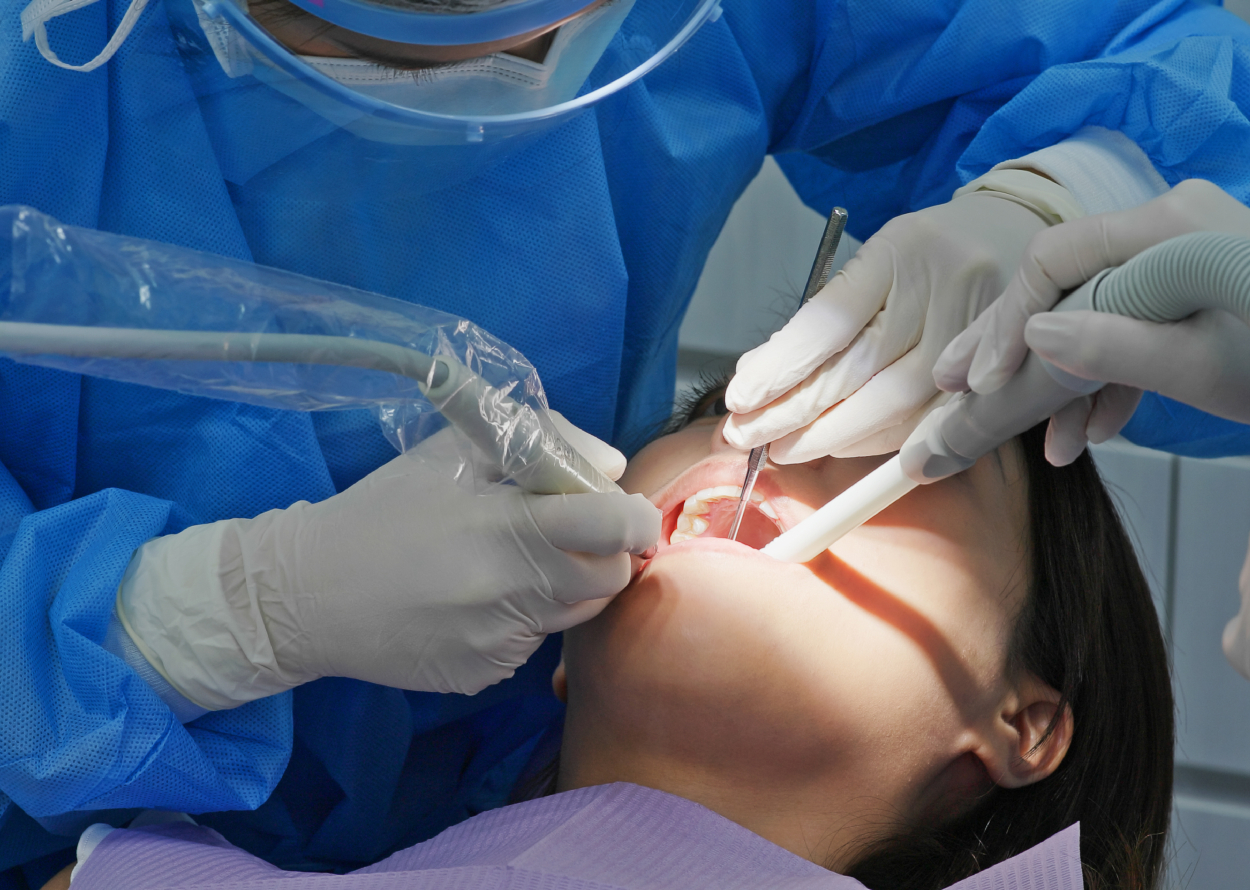
A general dentist is the primary dental care provider for most patients. Think of the role as the central hub of oral healthcare. This is the professional who evaluates overall dental health, treats common problems, monitors changes over time, and refers to specialists when a case requires advanced or highly specific care.
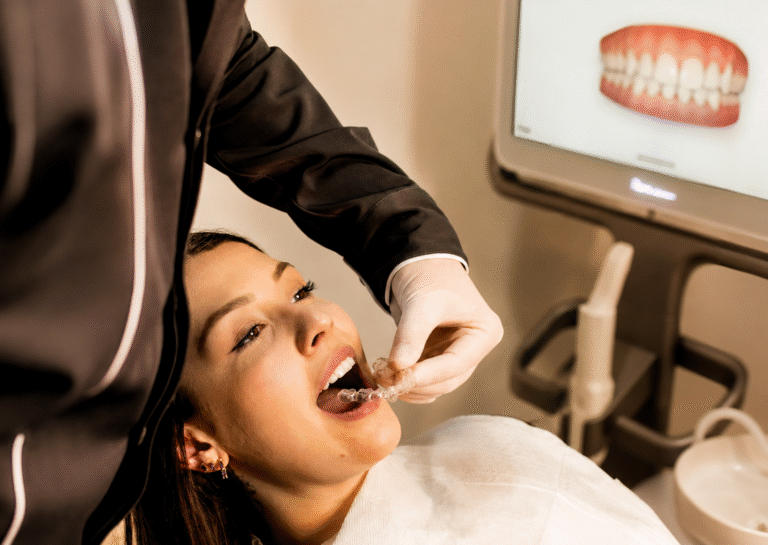
The scope is wider than many patients realize. A general dentist typically performs exams, professional cleanings, cavity treatment, crown and bridge work, tooth-colored restorations, preventive sealants, oral cancer screenings, gum health monitoring, bite evaluation, and guidance on home care. In many practices, they also provide night guards, simple extractions, whitening, and some forms of cosmetic treatment. For children, they may monitor growth and development. For adults, they often help manage wear, recession, and the effects of stress-related habits like clenching.
The most important part of the job is not a single procedure. It is pattern recognition. Good general dentistry involves tracking subtle changes from one visit to the next. A dark groove that looked harmless six months ago may now be a soft cavity. Mild gingivitis may improve with coaching and consistent cleanings, or progress if ignored. A stable bite may shift after the loss of one back tooth, leading to drifting, uneven wear, and jaw discomfort.
That continuity matters. Dentistry is not just about fixing what is broken. It is about understanding what is changing, why it is changing, and how to intervene at the right time.
The preventive side of care is where the real savings happen
When patients ask what they can do to avoid major dental work, the answer is usually less glamorous than they expect. It is regular maintenance, good brushing and flossing technique, fluoride exposure when appropriate, attention to diet, and keeping recall visits even when everything feels fine.
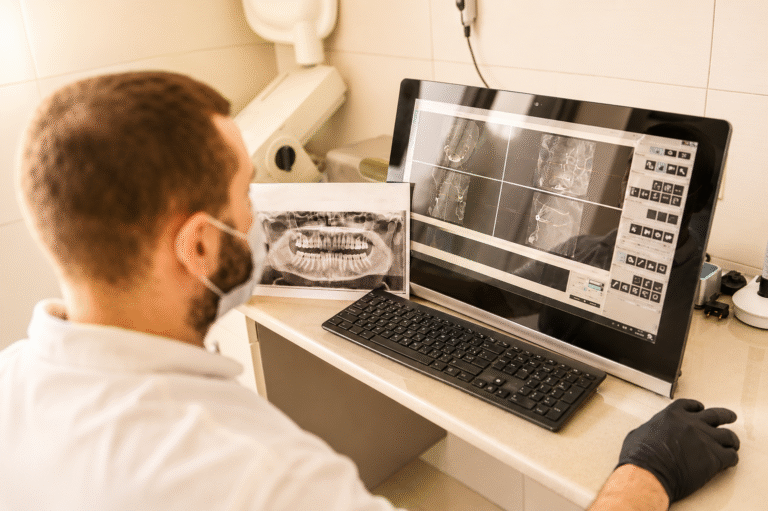
A preventive appointment may seem uneventful, but it does a great deal. The cleaning removes hardened deposits that home brushing cannot handle. The exam checks for decay, failing fillings, gum pocketing, bite changes, soft tissue abnormalities, and wear patterns. X-rays, taken at intervals based on risk, reveal what cannot be seen directly, especially decay between teeth, bone loss, infection, and hidden fractures.
For many adults, the biggest surprise is that oral disease is often gradual. A cavity rarely forms overnight. Gum disease usually starts with inflammation long before teeth loosen. Even cracked teeth can develop in stages. Prevention is not just about avoiding disease entirely. It is also about catching disease while the fix is still straightforward.
A small filling is very different from a root canal and crown. Early gum inflammation is very different from advanced periodontal https://devinpukm828.lowescouponn.com/how-to-find-a-trusted-general-dentist-near-you breakdown. A custom night guard made after the first signs of grinding can preserve enamel and reduce stress on restorations. Waiting until teeth fracture changes the conversation entirely.
Why routine visits matter even when your teeth feel fine
Pain is a poor screening tool. Some of the most significant dental findings are painless at first. Interproximal decay, the kind that forms between teeth, often has no clear symptoms until it reaches deeper layers. Gum disease may cause occasional bleeding, but many patients dismiss it because there is no severe discomfort. Oral cancer screenings are another example. Early suspicious changes in soft tissue can be subtle, and patients often do not notice them.
Routine care also creates a baseline. When a general dentist has seen your mouth over several years, they can spot changes faster and with more confidence. A new radiolucency on an X-ray, slight bone loss, gum recession on one side, flattened biting surfaces, or a filling margin that has begun to leak all stand out more clearly when there is a history to compare.
There is also a practical benefit to regular attendance. Small appointments are easier to schedule, easier to tolerate, and easier to finance than major restorative work. For anxious patients, this matters a lot. Familiarity reduces stress. A patient who comes in every six months usually feels much more at ease than someone returning after a six-year gap with a broken tooth and active pain.
The connection between oral health and whole-body health
Dentistry should never overstate what it can prove, but there is no question that oral health is part of general health. Inflammation in the gums, chronic infection, dry mouth related to medications, and unmanaged dental pain all affect daily life and can complicate broader medical care.
A patient with diabetes, for example, often has a more difficult time controlling gum inflammation, and severe periodontal disease can make overall health management harder. Someone undergoing cancer treatment may experience dry mouth, mucosal changes, or elevated cavity risk. Pregnant patients often notice heightened gum sensitivity and may need closer preventive care. Older adults taking multiple medications frequently deal with reduced saliva flow, which increases the risk of root decay and discomfort.
General dentist care becomes especially valuable in these situations because it adapts to the patient rather than forcing everyone into the same routine. Recall intervals may need to be shorter. Home care recommendations may need to be modified for dexterity limitations, orthodontic appliances, or high caries risk. Products that work well for one patient may be wrong for another.
That clinical judgment is easy to underestimate. It is not just a matter of telling everyone to brush twice a day. It is deciding whether a patient would benefit more from prescription fluoride, an electric brush, interdental brushes, a water flosser, salivary support, a different cleaning interval, or referral for specialist evaluation.
Common issues a general dentist manages every week
Most dental offices see a recurring set of problems, though the causes vary. Cavities remain common, especially around older fillings, between teeth, and near the gumline in patients with dry mouth or recession. Gum disease is widespread, often mild at first, but sometimes more advanced than patients realize. Cracked teeth show up often in adults who grind, chew ice, or have large old restorations. Tooth sensitivity can stem from exposed roots, enamel wear, clenching, recent whitening, or active decay.
A general dentist also sees the effects of modern habits. Frequent sipping of sports drinks, flavored waters, soda, or sweetened coffee can quietly erode enamel and feed decay. Snacking all day keeps the mouth acidic longer. Stress shows up in the jaw muscles and on the teeth. Cosmetic concerns, once considered secondary, now play a larger role too. Patients notice discoloration, chipped edges, uneven wear, and old metal fillings more than they used to.
One of the most useful parts of general dentistry is sorting out what is urgent and what is not. Not every stain is decay. Not every sensitivity complaint needs a filling. Not every wisdom tooth causes trouble. On the other hand, not every painless tooth is healthy. Experience matters in distinguishing a problem that can be watched from one that should be treated now.
What happens during a good exam
A thorough dental exam is part clinical investigation, part risk assessment, and part conversation. It should not feel rushed. The dentist is looking at teeth, gums, bite, tongue, cheeks, palate, jaw function, existing restorations, and radiographic findings, but also listening for clues in the patient’s history.
If a patient says cold water started bothering one side about three weeks ago, that matters. If they mention headaches on waking, chipped front teeth, or a new medication that causes dry mouth, that matters too. Even details that seem unrelated can shape care. A patient training for endurance sports may use acidic gels and drinks all day. A musician who plays a wind instrument may have unusual pressure patterns. A night-shift worker may snack differently and struggle with routine home care.
The best general dentist visits leave patients with a clear understanding of three things: what is healthy, what should be monitored, and what needs treatment. When that communication is missing, people either underestimate problems or agree to care they do not fully understand.
How often should you see a general dentist?
The traditional six-month interval is useful, but it is not universal law. Some patients genuinely do well with visits twice a year for long periods. Others need more frequent care because their risk is higher. Someone with active gum disease, rapid tartar buildup, dry mouth, heavy restorative history, or recent extensive work may need shorter intervals, often every three or four months for a time.
Children and teenagers can vary too. Some are cavity-prone despite decent brushing, especially if they have deep grooves, orthodontic appliances, or frequent sugar exposure. Others do very well with standard preventive schedules. Adults with excellent habits and low disease history may need fewer X-rays than high-risk patients. That is good dentistry, not undertreatment. Care should be tailored to the person in the chair.
A useful way to think about frequency is simple:
- Low-risk mouths can often stay stable with routine six-month care.
- Moderate-risk patients may need closer monitoring if new issues appear regularly.
- High-risk patients often benefit from shorter recall intervals and targeted prevention.
- Life changes, including pregnancy, illness, medication shifts, or orthodontic treatment, can temporarily change the schedule.
That flexibility is one reason continuity with a general dentist is so valuable. Risk is not static. It changes with age, habits, health, and dental history.
Children, adults, and older patients all need something different
General dentistry spans the entire lifespan, but the priorities shift with age. For children, the focus is often on prevention, eruption patterns, sealants, fluoride, oral habits, and building comfort in the dental setting. A calm early experience can shape a lifetime of behavior. Children who grow up seeing dental care as routine tend to seek help sooner as adults.
In working-age adults, restorative maintenance becomes more important. This is when old fillings fail, wisdom teeth complications may emerge, cosmetic concerns increase, and stress-related grinding often peaks. Many adults also postpone treatment because of work, childcare, or cost, which can let manageable issues expand.
Older adults face a different set of challenges. Recession exposes root surfaces that decay more easily. Arthritis can make flossing difficult. Medications often reduce saliva. Existing crowns, bridges, implants, and partial dentures require ongoing maintenance. Some seniors have kept their natural teeth for decades but now need more support preserving them than they did at forty.
A capable general dentist adjusts not just the treatment plan, but the communication style, pace, and expectations. A child may need playful explanation. A busy parent may need staged treatment. An older adult may need a simpler home care routine they can realistically maintain.
Choosing the right dental home
Patients sometimes focus only on convenience or cost when selecting a provider. Those factors matter, but they are not the whole picture. A strong relationship with a general dentist depends on trust, clarity, and consistency. The office should explain findings plainly, discuss options honestly, and respect both urgency and budget.
A few signs usually indicate a healthy clinical relationship:
- The dentist explains what they see and why it matters.
- Treatment recommendations feel specific to you, not generic.
- Preventive advice is practical and realistic.
- Questions are welcomed, not rushed.
- There is a plan for both immediate needs and long-term maintenance.
It is also reasonable to expect nuance. Not every chipped tooth needs a crown. Not every old filling must be replaced on sight. At the same time, a responsible dentist should not dismiss early disease just because it is not yet painful. Good care often sits between overtreatment and neglect.
For patients with dental anxiety, the right office can change everything. Anxiety is common, and good teams know that. Small accommodations, such as clear explanations, slower pacing, topical anesthetic before injections, breaks during treatment, and predictable communication, can make routine care far more manageable.
The financial reality, and why delay often costs more
Dental care is not always inexpensive, and that is one reason people postpone visits. Still, from a long-term standpoint, preventive and early restorative care usually cost less than waiting. The difference between a small filling and a crown can be substantial. If decay reaches the nerve, root canal treatment may be added. If the tooth fractures beyond repair, the replacement options become even more costly.
There is also the hidden cost of delay. Dental pain affects sleep, concentration, eating, and work performance. A broken front tooth before an interview or a severe toothache during travel creates disruption well beyond the treatment fee itself.
That said, real life is messy. Not every patient can do all ideal treatment immediately. A good general dentist recognizes this and helps prioritize. Sometimes the right plan is to address active infection first, stabilize the most vulnerable teeth, and phase the rest over time. Dentistry is full of these practical decisions. Perfect is not always possible, but thoughtful progress usually is.
Home care still does most of the daily work
Even the best dental office sees you only periodically. What happens at home carries more weight than any polishing paste or fluoride rinse used in the chair. Brushing technique matters more than scrubbing hard. Flossing matters most where the brush cannot reach. Diet patterns matter more than a single dessert. Saliva matters more than most people realize.
Patients often improve dramatically with a few small corrections, especially when advice is personalized. Someone who brushes thoroughly but never cleans between the teeth may keep getting cavities in the same areas. Another who uses a hard brush and aggressive pressure may be causing recession and sensitivity. A person who avoids candy but sips sweet coffee all morning may still face frequent decay.
The basics remain durable because they work:
- Brush thoroughly twice a day with fluoride toothpaste.
- Clean between the teeth daily in a way you will actually maintain.
- Limit frequent sugar and acid exposure, especially between meals.
- Keep routine dental visits even when nothing hurts.
- Address dry mouth, grinding, bleeding gums, or sensitivity early.
The key phrase is actually maintain. The ideal home routine is useless if it is too complicated for real life. Sustainable habits beat perfect plans.
When specialist care becomes necessary
General dentists manage a wide range of conditions, but they also know when a case should move to a specialist. That is a strength, not a limitation. Endodontists handle complex root canal cases. Periodontists treat advanced gum and bone issues. Oral surgeons manage difficult extractions, pathology, and surgical needs. Orthodontists correct alignment and bite issues. Pediatric dentists focus on children with specific behavioral or developmental needs.
In well-run care, the general dentist remains the coordinator. They identify the need, explain the reason for referral, integrate the specialist’s findings, and continue the broader maintenance plan. For patients, this continuity reduces confusion and keeps treatment grounded in the full picture of their oral health.
General dentist care as long-term stewardship
The phrase “general dentist” can sound ordinary, but the work is anything but minor. It is long-term stewardship of a part of the body that people use constantly and often neglect until trouble becomes obvious. Eating, speaking, smiling, sleeping, concentrating, and social confidence all depend, in part, on a healthy mouth.
The strongest dental outcomes usually do not come from heroic rescue treatment. They come from years of steady attention. A general dentist notices the early crack, the first pocket, the subtle wear, the tissue change that should not be ignored. They repair damage when necessary, but they also guide patients toward fewer emergencies, less discomfort, and better function over time.
That is the real foundation of oral health. Not a single procedure, not a cosmetic upgrade, not a one-time fix. It is the ongoing partnership between patient and practitioner, built on prevention, observation, judgment, and trust.
Smyle Dental Newhall
Address: 23754 Newhall Ave, Santa Clarita, CA 91321
Phone number: +16612559200
FAQ About General dentist
What does it mean by general dentist?
A general dentist is your primary dental care provider. They focus on the overall prevention, diagnosis, and treatment of your daily oral health needs. Think of them as your primary care doctor, but for your teeth and gums.
What is the difference between a dentist and a general dentist?
A dentist is a broad professional title for any licensed oral healthcare provider, while a general dentist is a specific type of primary care dentist who focuses on routine, preventive, and everyday treatments.
What is the difference between a dentistry practitioner and a dentist?
A dentist is a licensed doctoral-level healthcare professional, whereas a dental practitioner is a broader umbrella term that can include dentists as well as other trained oral health professionals.