Emergency Dentist Bakersfield CA: Immediate Care for Loose Adult Teeth
A loose adult tooth has a way of changing the entire day. One minute you are eating lunch, coaching a game, driving to work, or finishing a meeting, and the next you are testing a tooth with your tongue, hoping you imagined the movement. Adults know instinctively that this is different from childhood. A baby tooth is supposed to loosen. A permanent tooth is not.
That distinction matters because mobility in an adult tooth often points to trauma, infection, advanced gum disease, bite overload, or a hidden crack. Sometimes the pain is sharp and obvious. Sometimes there is barely any pain at all, which can be deceptively reassuring. In practice, some of the loosest teeth I have seen were not the most painful. They were simply unstable, inflamed, and in trouble.
If you are searching for an Emergency Dentist Bakersfield CA because an adult tooth suddenly feels loose, the goal is simple: protect the tooth, reduce further damage, and get examined as quickly as possible. Timing can make the difference between straightforward stabilization and a more complex, expensive treatment plan.
Why a loose adult tooth should never be a wait-and-see problem
An adult tooth becomes loose when the structures holding it in place are compromised. That usually means one or more of three things has happened. The supporting bone may have been affected, the periodontal ligament may have been stretched or torn, or the tooth itself may be cracked or fractured in a way that changes how it sits in the socket.
People often want to know if the tooth can “tighten back up on its own.” The honest answer is sometimes, but not reliably, and not without the right diagnosis. A tooth loosened by a minor blow can occasionally stabilize if the root, bone, and nerve remain healthy. A tooth loosened by infection or bone loss will not simply recover because you avoided chewing on that side for a week. It may feel slightly better while the real problem continues.
Bakersfield patients often present after sports injuries, falls, car accidents, or biting into something unexpectedly hard. I have also seen loose teeth after nighttime grinding, especially when an already compromised tooth absorbs repeated stress. Another common pattern is the person who had bleeding gums for years, ignored the warning signs, then notices one front tooth shifting or wobbling. By the time mobility becomes obvious, the support around that tooth may already be significantly reduced.
The reason urgent care matters is not just discomfort. The longer a damaged or infected tooth remains untreated, the harder it can be to save.
What causes an adult tooth to loosen
Trauma is the cause people recognize fastest. A direct hit to the mouth during basketball, a trip on concrete, a steering wheel impact, or even a collision with a family dog can force a tooth out of its normal position. In these cases, the tooth may look longer, shorter, or slightly twisted. It may bleed around the gumline. The surrounding lip or cheek is often bruised as well.
Gum disease is quieter and more common. Periodontal disease destroys the tissue and bone that keep teeth stable. Early on, it may only cause bleeding during brushing and some bad breath. Later, teeth can drift, spaces can open, and chewing pressure can make a tooth feel springy. People are often surprised by this because the loosening does not always begin with severe pain.
Infection can also create mobility. A deep abscess near the root can inflame the tissues enough to make the tooth feel raised and unstable. Sometimes the complaint is “it feels loose,” when what the patient is really sensing is pressure from swelling around the tooth. That still requires prompt treatment because dental infections can spread quickly.
Cracks deserve special attention. A cracked tooth may remain intact enough to look normal in the mirror while still becoming painful or mobile when you bite. Back teeth are particularly vulnerable because they absorb heavy chewing forces. The patient story is often specific: “I bit on something, felt a sharp zing, and now it doesn’t feel right.”
Occlusal trauma, which means excessive biting force, is another contributor. This can happen in patients who clench or grind, especially during stress. It can also happen when a filling or crown sits slightly too high. One tooth receives too much pressure, the ligament around it becomes inflamed, and the tooth starts to feel tender or faintly mobile. That is not the same problem as bone loss, but it can worsen an already fragile situation.
The first hour matters more than most people think
A surprisingly common mistake is repeatedly pushing on the tooth to “check if it is still loose.” Every test adds force to tissues that may already be injured. Another mistake is eating through the discomfort because the schedule feels too busy to stop. A sandwich, protein bar, or handful of almonds can turn a manageable injury into a fractured tooth or a more displaced one.
If the tooth loosened after an accident, there may be more going on than the tooth itself. Cuts to the gums, lip lacerations, root fractures, jaw injuries, and damage to neighboring teeth can all be present. A tooth can appear only slightly loose while the bone around it has absorbed substantial force. This is one reason emergency dental evaluation is so important, especially after facial trauma.
When people call an emergency office in Bakersfield, what helps most is a calm, clear explanation of how the mobility started. “I woke up and it feels loose” suggests a different path than “I got hit in the mouth 20 minutes ago.” “There is swelling and a bad taste” points toward infection. “It only hurts when I bite down” raises concern for a crack or bite trauma. Those details help the team decide how urgently you need to come in and what they should prepare for.
What to do right away before you reach the dentist
If you are dealing with a loose permanent tooth, the best home care is protective, not aggressive. The aim is to minimize movement and contamination until you can be seen.
- Stop testing or wiggling the tooth, even gently with your tongue or fingers.
- Avoid chewing on that side, and switch to soft foods if you must eat.
- Rinse gently with lukewarm salt water if there is blood or irritation.
- Use a cold compress on the outside of the face for swelling, 10 to 15 minutes at a time.
- Call an emergency dental office immediately, especially if trauma, swelling, or significant pain is involved.
If there is bleeding from the gums or nearby tissue, light pressure with clean gauze can help. If a tooth has been knocked noticeably out of position, do not try to force it back into place at home unless you have direct instructions from a dental professional. Improvised fixes often cause more harm than good.
Over-the-counter pain medication may take the edge off, but it does not treat the cause. If swelling is spreading, you have fever, difficulty swallowing, trouble fully opening your mouth, or facial asymmetry that is worsening, that crosses into more urgent territory and deserves immediate attention.
What an emergency dentist looks for at the visit
An experienced emergency dentist does not begin with the question, “How loose is it?” The better question is, “Why is it loose?” That difference guides everything.
The exam usually starts with the history. Was there trauma, recent dental work, long-term gum problems, or a biting incident? Then comes a careful clinical evaluation. The dentist checks the degree of mobility, gum condition, bite, tenderness to percussion, and whether the tooth has shifted from its normal position. They will also evaluate the neighboring teeth because forces rarely affect only one structure.
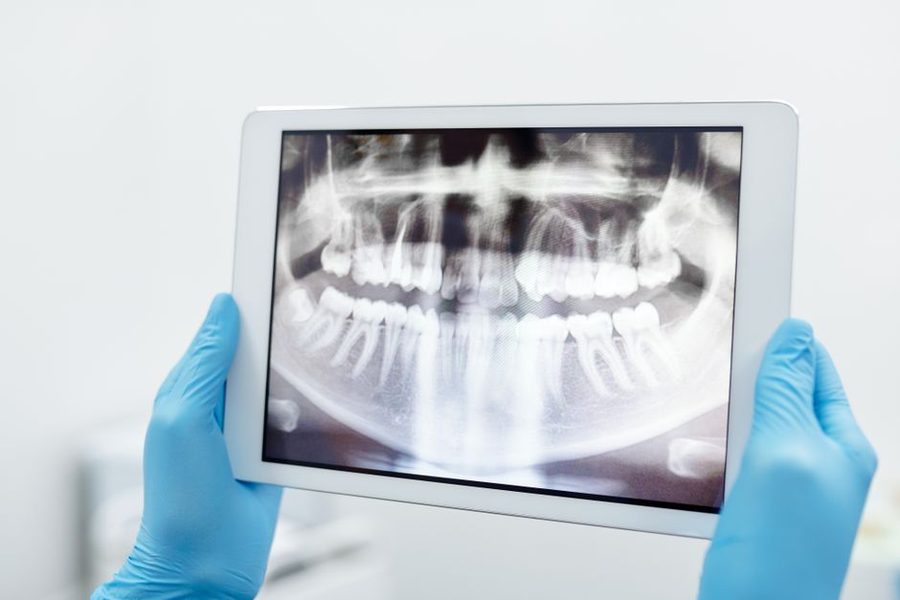
Dental X-rays are often necessary, though not every issue is obvious on the first image. Root fractures, bone loss patterns, widened ligament space, and abscesses can all influence the plan. In trauma cases, the tooth’s pulp may initially survive the injury but later become compromised, so follow-up can matter as much as the first appointment.
A loose tooth from periodontal disease often looks very different from a loose tooth after a sports injury. One has a chronic support problem. The other may have a salvage window if the tooth is stabilized promptly. A cracked tooth introduces yet another decision tree. Can it be protected with a crown after stabilization, or is the crack extending too far below the gumline to save predictably? This is where real judgment matters.
Common treatments, and why the right one depends on the cause
When trauma is the culprit, splinting is often part of the solution. A splint, usually made by bonding the loose tooth to neighboring teeth with a stabilizing material, holds the tooth relatively still while the supporting tissues heal. This is not a universal fix, and it is not something that should be guessed at at home. A poorly planned splint can create bite problems or complicate hygiene. But in the right case, especially for a displaced or mobile front tooth, it can be very effective.
If infection is driving the mobility, the emergency visit may focus on draining the problem, prescribing appropriate medication when indicated, and determining whether root canal treatment or extraction is necessary. If the tooth is structurally restorable and the surrounding support is adequate, urgent treatment may save it. If the support has been severely compromised, keeping the tooth at all costs may not be the best long-term decision.
For gum disease, emergency treatment may reduce immediate discomfort, but the lasting fix is periodontal care. That may involve deep cleaning, ongoing maintenance, strict home care, and sometimes referral to a periodontist. One of the harder conversations in dentistry is explaining that the loose tooth is not the only problem. Often, the rest of the mouth shows early or moderate versions of the same disease process.
If the issue is bite trauma or grinding, adjusting the bite can make a dramatic difference. I have seen teeth that felt unstable become much more comfortable once the excessive contact was relieved. In patients who clench heavily at night, a night guard can protect the teeth after the acute issue is addressed. Still, if bone loss or a crack is present, a guard alone will not solve it.
Sometimes the best emergency treatment is extraction. That is never the first answer patients want to hear, but there are cases where the tooth is beyond predictable repair, the infection risk is high, or the fracture is catastrophic. In those situations, removing the source of pain and planning for replacement can be the most sensible path.
Saving the tooth versus making the smartest long-term choice
There is a natural emotional pull to save every adult tooth. That instinct is understandable, especially for a visible front tooth. But dentistry is full of trade-offs, and the strongest plan is not always the one that keeps the tooth in place for a few more months.
A tooth with mild mobility from a recent injury and healthy bone support deserves a strong effort to save it. A tooth with advanced bone loss, gum infection, and severe mobility may not. Holding onto a failing tooth can sometimes accelerate damage to adjacent teeth, complicate chewing, and stretch the cost of treatment over multiple emergency visits.
The better question is often not “Can this tooth be saved?” but “Can this tooth be saved predictably, comfortably, and in a way that protects the rest of the mouth?” Patients appreciate honesty here. A guarded prognosis is not a lack of effort. It is a sign that the clinician is weighing your long-term outcome, not just the immediate crisis.
When same-day care is especially important
Some loose teeth can wait a short time for a prompt office visit. Others should be evaluated the same day, without trying to tough it out until the weekend passes.
- The tooth loosened after a fall, hit, or other trauma.
- There is swelling, pus, a bad taste, or fever.
- The tooth has shifted position or your bite suddenly feels off.
- Pain is escalating, especially with biting or pressure.
- You have a visible crack, ongoing bleeding, or numbness after injury.
If several of those are happening together, do not delay. Bakersfield families often try to fit dental emergencies around work, school pickup, or travel plans, but the cost of waiting can be steep. An extra day may be the difference between splinting and extraction, or between a manageable localized infection and facial swelling.
What to ask when calling an emergency dental office in Bakersfield
A good emergency appointment starts with a good phone call. Front desk teams handle these situations every day, and a few specific questions can save time and frustration.
Ask whether the office treats dental trauma involving loose permanent teeth. Ask how soon you can be seen and whether they reserve same-day emergency slots. If you were hit in the mouth, mention that clearly, along with any swelling or bleeding. If you suspect infection, say whether you have fever, swelling, or drainage. Finally, ask what to avoid before the visit, especially eating, taking medication, or trying to stabilize the tooth yourself.
That conversation also helps you gauge whether you are calling the right office. A practice comfortable with emergencies usually gives practical advice quickly and asks focused questions about the injury, pain level, and swelling.
A few Bakersfield-specific realities that affect dental emergencies
In Bakersfield, heat and busy schedules can complicate emergencies more than people expect. Patients working outdoors may become dehydrated, which makes pain feel worse and soft tissue irritation more uncomfortable. Travel across town in afternoon traffic can also add delay, so calling as soon as the problem is recognized matters. Waiting until the end of the workday often means fewer same-day options.
Sports injuries are common enough that parents and coaches tend to recognize a broken tooth, but a merely loose adult tooth can be underestimated. It may not look dramatic. There may be no major bleeding. Yet that is exactly the kind of injury that benefits from quick stabilization. I have seen patients arrive convinced they were “probably overreacting,” only to find that the tooth had been partially displaced and needed immediate splinting.
Another local factor is access. Some patients search “Emergency Dentist Bakersfield CA” after hours and assume they should wait until morning unless the pain becomes unbearable. Pain is not the only measure of urgency. Mobility after trauma, visible displacement, and swelling are all valid reasons to seek prompt advice even if the discomfort is moderate.
What not to do, because these mistakes are common
People mean well when they try to fix things at home, but dental emergencies do not respond kindly to improvisation. Do not glue a loose tooth. Do not wrap floss around it. Do not bite on hard items to “push it back into place.” Do not keep chewing on it to test whether it is getting better. And do not assume antibiotics from a leftover prescription will sort things out. They will not stabilize a cracked tooth, reverse bone loss, or properly treat trauma.
Another frequent mistake is ignoring a loose tooth because the movement seems to come and go. Inflammation fluctuates. So does your awareness of it. A tooth that feels better in the morning and worse at dinner is not necessarily healing. It may simply be responding to pressure, food, or swelling.
Smoking and vaping can also complicate recovery, especially when gum disease or infection is involved. Tissue healing is less predictable, and the inflammatory burden is higher. If there were ever a good time to cut back or stop, the period after emergency dental treatment is one of them.
If the tooth cannot be saved
Even in an emergency setting, planning matters. If extraction becomes necessary, the next conversation should not end with an empty space and a shrug. The location of the tooth, the condition of the bone, your bite, and your budget all shape the replacement options. A front tooth requires a different esthetic discussion than a back molar. An implant may be excellent in one case and unwise in another if infection or bone loss needs to settle first.
Temporary replacement can also matter, especially for visible teeth. Patients often worry less about the procedure than about walking into work, church, or family events with a gap in the smile. An experienced dentist anticipates that and discusses realistic short-term and https://devintnhu643.opalvector.com/posts/emergency-dentist-bakersfield-ca-for-broken-chipped-or-cracked-teeth long-term options.
The key point is that losing one tooth does not mean losing control of the situation. But it does mean you want a plan that protects function, appearance, and the neighboring teeth.
The bottom line when an adult tooth feels loose
A loose adult tooth is not a nuisance. It is a sign that something structural is wrong, whether that problem is sudden trauma, deep infection, gum disease, a crack, or damaging bite pressure. The right response is calm, quick action. Protect the tooth from further movement, avoid chewing on it, and get professional evaluation as soon as possible.
If you are looking for an Emergency Dentist Bakersfield CA, choose an office that routinely handles urgent dental injuries and can assess not just the mobility, but the reason behind it. That diagnosis is what determines whether the tooth needs splinting, periodontal treatment, bite adjustment, root canal therapy, extraction, or close monitoring.
Permanent teeth do not loosen without a cause. When you treat that cause early, you give yourself the best chance of saving the tooth, reducing pain, and avoiding a more complicated problem later.
Smyle Dental Bakersfield
2016 E St, Bakersfield, CA 93301, United States
+16614939040
FAQ About Emergency Dentist Bakersfield CA
What counts as a dental emergency?
Severe tooth pain, facial swelling, uncontrolled bleeding, a knocked-out or displaced tooth, and significant dental trauma may need prompt assessment. Trouble breathing or rapidly increasing swelling requires urgent medical help.
What should I do if a permanent tooth is knocked out?
Handle the tooth by the crown rather than the root, keep it moist, and contact a dentist immediately. Fast treatment can improve the chance of saving the tooth.
Can an emergency dentist treat severe tooth pain the same day?
Same-day care may be available depending on the cause and schedule. The dentist will examine the area, may take digital X-rays, and recommend treatment based on the diagnosis.
Should I go to the emergency room for dental swelling?
Seek urgent medical care for trouble breathing, difficulty swallowing, rapidly spreading facial swelling, or other severe symptoms. A dentist can assess the underlying dental cause and provide appropriate follow-up care.