Dental Emergenc in Plano TX: When Mouth Pain Signals Infection

A sore tooth can ruin a day. A true oral infection can do far more than that.
People often wait out dental pain because they hope it is temporary, because work is busy, because they are traveling across Plano traffic, or because they assume antibiotics alone will fix whatever is brewing. Sometimes the pain does fade for a few hours. That can be misleading. In practice, pain that throbs, wakes you at night, spreads into the jaw, or comes with swelling often points to pressure and inflammation deep inside the tooth or gum tissue. At that stage, time matters.
When patients search for a Dental Emergency Plano TX office, they are usually not doing casual research. They are trying to answer a pressing question: Is this serious, and how fast do I need care? If mouth pain is signaling infection, the safest answer is sooner rather than later.
Why infection-related dental pain deserves respect
Not every toothache means infection. A cracked tooth can hurt sharply when you chew. Sinus pressure can mimic upper molar pain. Gum irritation from a trapped popcorn hull can make one area feel surprisingly tender. But infection has a pattern clinicians learn to recognize quickly.
The pain is often deep, persistent, and hard to ignore. Patients describe it as throbbing, pulsing, or hot. It may worsen when they lie down because blood flow and pressure shift. Some people can point to one specific tooth. Others feel pain radiating to the ear, temple, or opposite jaw and cannot tell where it started. Add facial swelling, a bad taste in the mouth, fever, or pain with biting, and the picture becomes more concerning.
Infection in the mouth usually starts in one of two places. The first is inside the tooth, often after decay reaches the pulp where the nerve and blood supply live. The second is in the gum and supporting tissues around the tooth. Both situations can escalate. The mouth is not isolated from the rest of the body. A dental abscess is still an abscess, meaning a pocket of infection the body is trying to contain.
I have seen patients arrive after three days of trying home remedies, pressing ice against the cheek, rinsing with salt water, and taking leftover antibiotics from another illness. By the time they sit in the chair, one side of the face is visibly fuller, they have barely slept, and they are surprised that a problem starting with “just one tooth” now affects their whole head and neck. That is the trouble with oral infections. They rarely stay polite.
The difference between discomfort and a dental emergency
Plano families are busy, and it is reasonable to wonder whether symptoms can wait until a routine appointment. Some problems can. Mild sensitivity to cold that lasts a second or two might be a worn filling, early decay, or gum recession. A canker sore is miserable but usually not dangerous. Food caught between teeth can mimic gum infection and may resolve once cleaned out.
The concern rises when symptoms suggest infection has moved beyond a minor irritation.
Signs that mouth pain may be infection driven
- Throbbing tooth pain that lasts for hours or worsens at night
- Swelling in the gum, cheek, or jaw
- Pus, drainage, or a foul taste coming from around a tooth
- Fever, swollen glands, or feeling generally unwell along with dental pain
- Trouble opening the mouth, swallowing, or breathing
That last item is especially important. Difficulty swallowing or breathing, or rapidly increasing swelling under the tongue or into the neck, is not a wait-and-see situation. That requires urgent medical attention immediately.
What is often happening inside the tooth
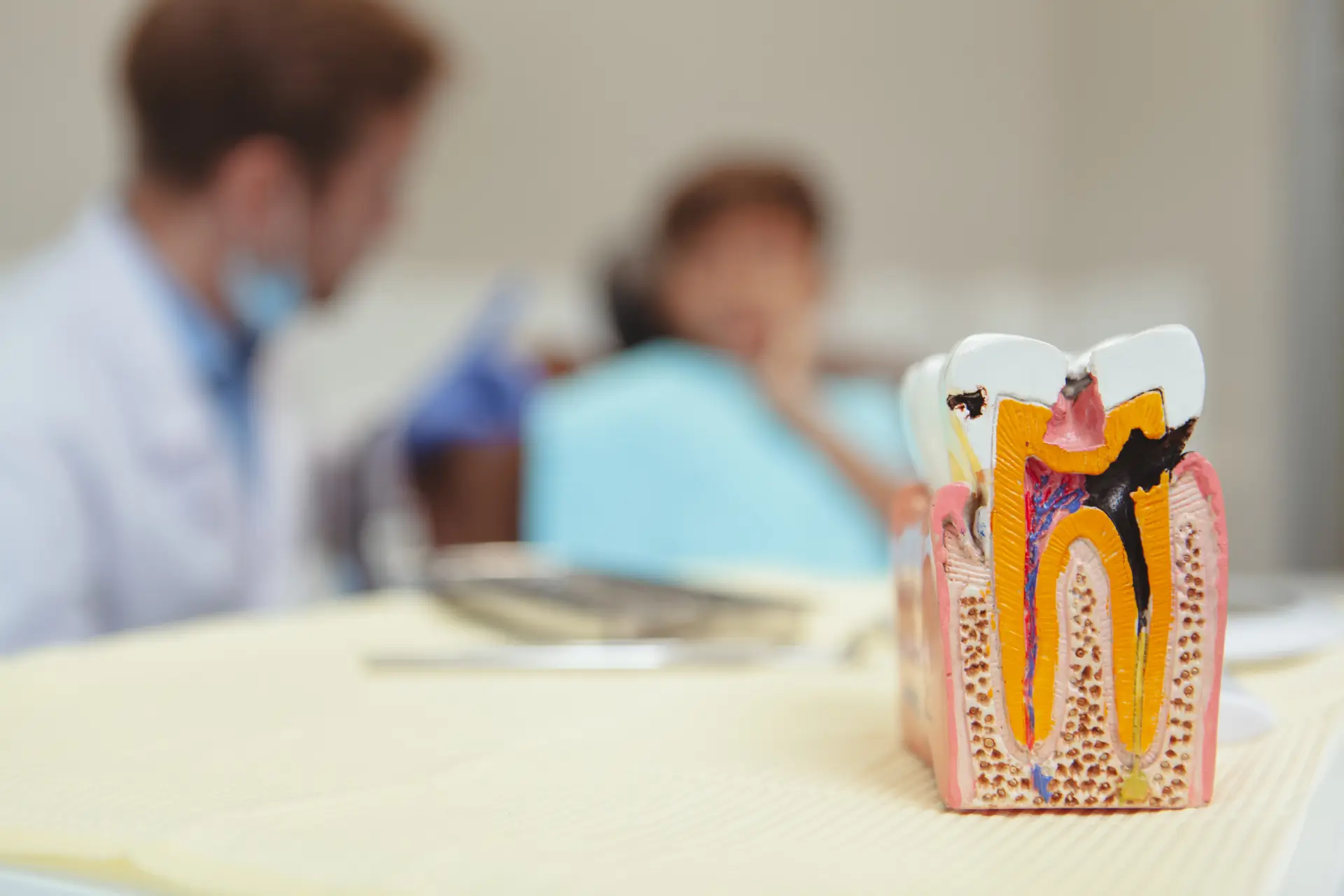
A healthy tooth has enamel on the outside, dentin beneath it, and pulp at the center. Once bacteria get through the protective layers, the pulp reacts with inflammation. Because the pulp sits inside a rigid chamber, swelling creates intense pressure. That is one reason infected teeth can hurt so severely.
At first, the nerve may be inflamed but still alive. Cold can trigger a long, lingering ache. Later, the pulp may die, and some patients assume they are getting better because the pain briefly drops. What often follows is a different stage. Bacteria spread beyond the root tip into surrounding bone and tissue, and an abscess forms. Pressure builds again. Chewing becomes painful. The gum may swell near that tooth. In some cases a small pimple-like bump appears on the gum, drains, then returns.
This sequence matters because antibiotics alone usually do not cure an infected tooth with dead pulp. The source of infection is sealed inside the tooth or trapped around the root. Definitive treatment is often root canal therapy to clean and disinfect the inside of the tooth, or extraction if the tooth cannot be saved. Gum-related infections may need deep cleaning, drainage, irrigation, or other targeted care. The treatment depends on the cause, but the principle is the same: remove the source, not just the symptoms.
Why people in Plano often delay longer than they should
There is a practical side to emergency dental care that does not get talked about enough. Patients delay for reasons that are understandable.
Some assume pain medicine means they are safe to wait. It is not uncommon for ibuprofen and acetaminophen to blunt severe tooth pain for a few hours. That can mask worsening infection. Others have had dental discomfort in the past that resolved on its own, so they expect the same outcome. In reality, a tooth that stops hurting without treatment may not be healing. The nerve may simply be dying.
Cost anxiety also plays a role. People fear that coming in for a same-day exam commits them to a major procedure they are not ready to afford. In most emergency settings, the first goal is diagnosis, stabilization, and a practical plan. That may include imaging, pain control, temporary measures, and a discussion of options. Delaying can make treatment more extensive and more expensive, not less.
Then there is plain schedule pressure. Parents try to get through school pickup. Professionals do not want to miss meetings. College students are back home only briefly. Yet infection does not https://paxtonkmia583.capitaljays.com/posts/how-plano-tx-clinics-treat-urgent-dental-emergencies respect calendars. Friday afternoon toothaches have a way of becoming miserable Saturday night swelling.
The symptoms that change the urgency
Severe pain alone is enough to justify an urgent dental evaluation, but certain features raise the stakes.
Facial swelling is one. If the cheek is puffy or one side of the jaw looks enlarged, there is likely active inflammation in the surrounding tissues. If that swelling is firm, hot, and worsening over hours, the need for evaluation becomes more urgent.
Fever is another. Not every dental abscess causes fever, but when it does, it suggests the body is mounting a larger response. Swollen lymph nodes under the jaw can appear as well.
A foul taste or fluid draining into the mouth can mean the abscess has found a path to release pressure. Patients sometimes tell me, “It actually felt better after something burst.” That temporary relief can lull them into waiting. The infection is still there. Drainage without treatment is not resolution.
Reduced ability to open the mouth, known as trismus, can occur when infection or inflammation irritates nearby muscles. Pain with swallowing or a sense of throat fullness raises concern for spread into deeper spaces. At that point, dental and medical teams may both be involved.
Gum infections can be just as serious
When people think of dental abscesses, they usually imagine a cavity reaching the nerve. That is common, but gum infections also deserve attention.
A deep periodontal infection may begin when bacteria collect below the gumline, especially around a tooth with deep pockets, heavy tartar buildup, or food impaction. The gum becomes swollen, red, and tender. Biting may feel off because the tooth is slightly pushed up by inflammation. Sometimes there is less throbbing than with a pulp infection, which is why patients underestimate it. But a periodontal abscess can still spread, loosen the tooth, and cause significant pain.
There are also gum infections that form around partially erupted wisdom teeth, especially lower third molars. The flap of gum over the tooth traps bacteria and food. The area becomes inflamed, swallowing can hurt, and patients may notice a bad taste or smell. In a young adult who suddenly cannot chew comfortably on one side and feels jaw soreness near a back molar, this is a common culprit.
Both scenarios count as a form of Dental Emergenc in everyday practice, even if the typo in that phrase would never appear in a chart note. Patients are not thinking in technical labels when they are in pain. They just need to know whether they should act. If swelling and infection are part of the picture, the answer is yes.
What to do before you get to the dentist
Home care has limits, but the hours before an appointment still matter. The goal is to reduce irritation and keep the situation from getting worse, not to “treat” the infection on your own.
- Rinse gently with warm salt water if it feels soothing, especially if the gum is irritated
- Take over-the-counter pain medicine as directed on the label, if you normally can take it safely
- Use a cold compress on the outside of the face for swelling, in short intervals
- Avoid placing aspirin directly on the gum, which can burn tissue
- Do not use heat on the face, and do not try to pop or drain a swelling yourself
One practical tip many patients appreciate is to sleep with the head slightly elevated. Lying fully flat can intensify throbbing for some people. Soft foods, cool liquids, and avoiding chewing on the painful side can also help until you are seen.
What should not happen is improvising with leftover antibiotics. The wrong drug, dose, or duration may do little besides delay proper treatment. Even the right antibiotic may only reduce the spread temporarily if the infected tooth or gum pocket is left untouched.
What a same-day emergency visit usually involves
People are often nervous about what “emergency dental” means in real terms. They imagine a long, painful appointment when they are already exhausted. Most offices approach these visits in stages.
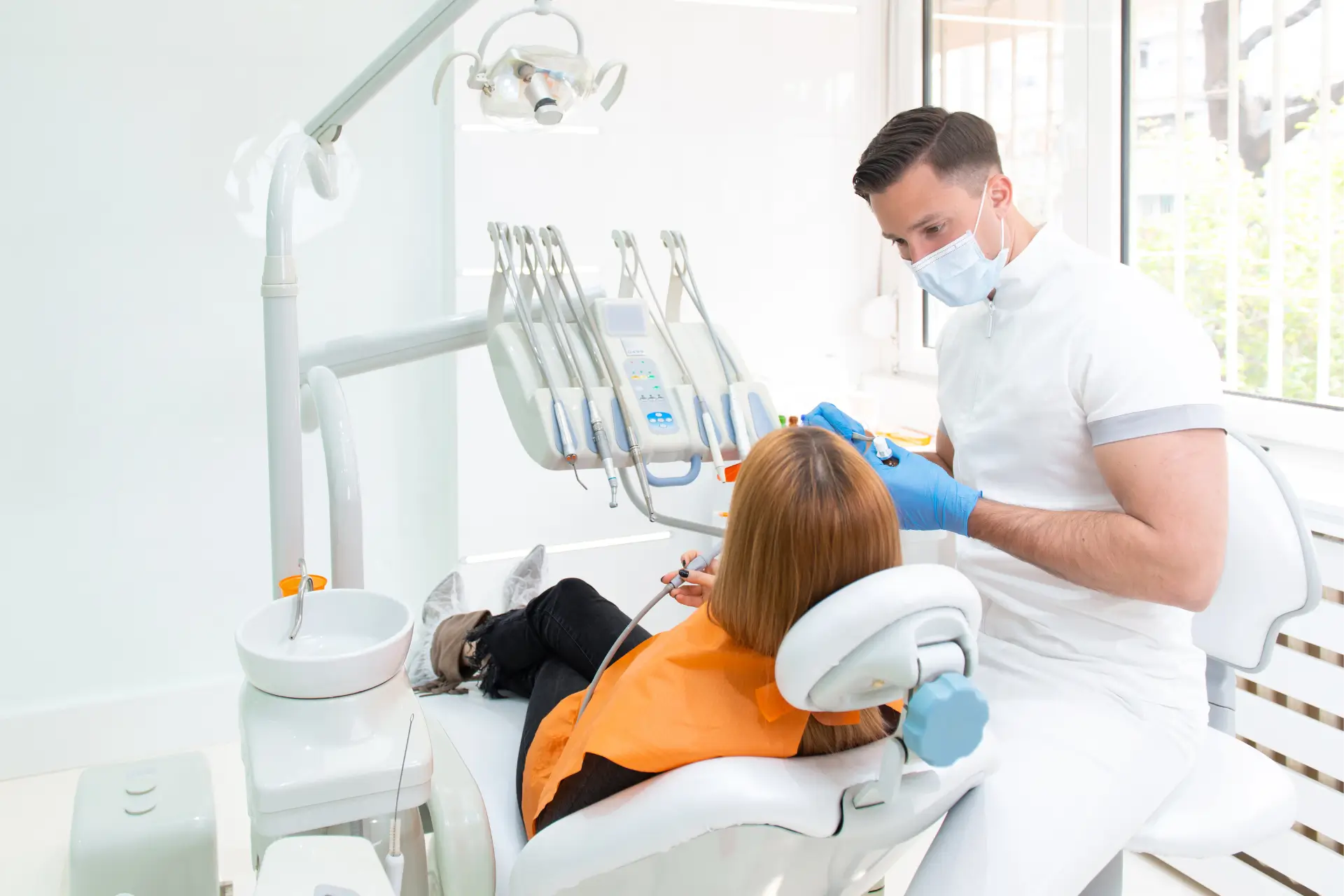
First comes a focused history. When did the pain start, what triggers it, is there swelling, has there been drainage, fever, trauma, recent dental work? Then comes the exam, which may include tapping on teeth, checking gum tissues, measuring response to temperature, and taking an X-ray. In many cases, the diagnosis becomes clear quickly. A tooth may show a deep cavity close to the nerve. A dark halo near the root tip may suggest infection beyond the tooth. The gum may reveal a localized periodontal abscess.
Treatment the same day depends on the finding and the patient’s condition. If a tooth can be saved and the office is equipped for it, opening the tooth to relieve pressure may provide dramatic relief. If the tooth is not restorable, extraction may be the best route. If there is a gum abscess, drainage and cleaning may be performed. Antibiotics may be prescribed when there is swelling, spread, fever, or immune risk, but they are typically an adjunct, not the sole answer.
The best emergency care balances speed with judgment. Not every painful tooth should be removed immediately. Not every swollen gum needs surgery. The clinician has to sort out what is urgent, what is salvageable, and what will keep the patient safest over the next 24 to 72 hours.
When children have infection-related mouth pain
Children complicate the picture because they do not always describe symptoms clearly. A child may stop chewing on one side, become irritable at bedtime, complain that the “ear hurts,” or wake at night crying without pointing to a tooth. Parents sometimes discover the real problem only after noticing cheek swelling or a pimple on the gum.
Baby teeth do matter here. Even though they eventually fall out, infection around a primary tooth can still be painful and can still spread. It can also affect the developing permanent tooth underneath. A child with facial swelling, fever, or obvious dental pain should be evaluated promptly. Waiting for the tooth to loosen naturally is not a safe strategy if infection is present.
Special concerns for older adults and medically complex patients
Older adults sometimes present differently. They may have less dramatic pain but more diffuse swelling, especially if sensation is altered by past dental work, medications, or chronic conditions. Dry mouth from medication increases decay risk, which raises the chance of root cavities and infection. People with diabetes, immune suppression, certain heart conditions, or active cancer treatment need especially prompt assessment because infection may spread faster or healing may be more complicated.
Denture wearers are not exempt either. A retained root tip, ulcerated gum, or infection around a remaining tooth can still cause emergency symptoms. In older patients, a dental infection may first look like trouble eating, sudden bad breath, unexplained swelling, or a change in speech because the mouth is too sore to move normally.
The trade-off between saving the tooth and ending the pain fast
Patients in acute pain often ask the most practical question of all: “Can you just get me out of pain today?”
Sometimes that means preserving the tooth with emergency root canal treatment or pulpal therapy. Sometimes it means extraction. The better option depends on the tooth’s structure, the extent of decay or fracture, periodontal support, bite forces, medical history, and the patient’s budget and goals.
Saving a tooth can be wise when the tooth has strong long-term potential. Natural teeth usually function better than replacements when they can be predictably maintained. But if a tooth is split, severely decayed below the gumline, or weakened beyond a reasonable prognosis, trying to save it may expose the patient to more cost and more repeat treatment without much payoff.
Good emergency dentistry is not just about speed. It is about making the right short-term move without creating a bigger long-term problem.
Preventing the next emergency
Most infection-related dental emergencies are not random. They often begin months earlier with a cavity that did not hurt yet, a lost filling that was easy to postpone, bleeding gums that seemed minor, or a wisdom tooth area that flared on and off. Prevention sounds ordinary because it is ordinary. Routine exams, X-rays at intervals based on risk, timely treatment of decay, periodontal maintenance, and not ignoring broken teeth are still the strongest defense.
For patients who grind their teeth, crack restorations, or have a history of large fillings, being proactive matters even more. A tooth with a deep old filling can remain quiet for years, then suddenly tip into irreversible inflammation after one new crack or one recurrent cavity at the margin. These are rarely dramatic events at the start. They become dramatic at 2 a.m.
Plano has no shortage of people who push through discomfort and keep moving. That is admirable in many parts of life. It is not the right instinct when mouth pain starts to pulse, swell, and spread. A true Dental Emergency Plano TX situation is not defined by inconvenience. It is defined by the possibility that infection is active, advancing, and unlikely to solve itself. When those signs are present, getting evaluated quickly is the most practical decision you can make.
Vitality Dental
Address: 1220 Coit Rd #106, Plano, TX 75075
Phone number: +19726454100
FAQ About Dental Emergency Plano TX
What can the ER do for a tooth?
An emergency room (ER) can manage pain and treat severe infections with medication, but it cannot fix or pull a tooth.
What is considered a dental emergency?
A dental emergency is any oral health problem that involves severe pain, uncontrollable bleeding, or an infection that threatens your health or requires immediate care to save a tooth.
Is there a 24-hour dental service in Plano, TX?
There is no physical dental clinic in Plano, Texas, that stays open with walk-in staff 24 hours a day, but several offices offer 24/7 phone support, late-night hours, or same-day emergency care.