Comparing Dental Implants in Bakersfield CA to Dentures and Bridges

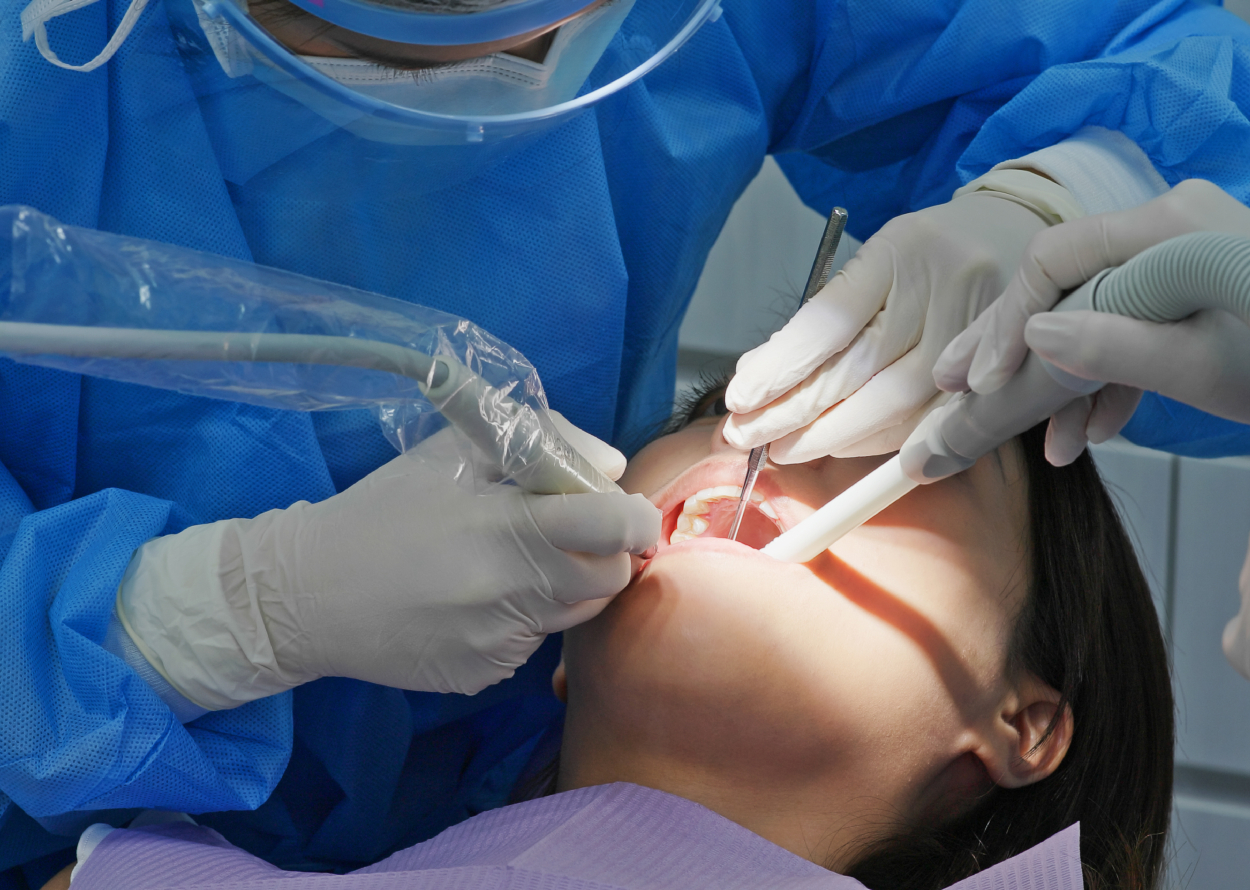
Losing a tooth changes more than a smile. It alters how food feels when you chew, how clearly certain words come out, and often how comfortable you feel in a room full of people. For some patients, the first concern is appearance. For others, it is function, pain, or the nagging fear that more teeth will shift or fail over time. When people start weighing replacement options, they usually land on three familiar choices: dental implants, dentures, and bridges.
Each option can solve a real problem. None is automatically right for everyone. The better question is which treatment fits your mouth, your health, your budget, and your long-term goals. In a place like Bakersfield, where many adults juggle demanding work schedules, family responsibilities, and practical financial decisions, that distinction matters. A treatment that looks affordable on day one may require more maintenance, more remakes, or more compromises later. Another option may cost more upfront but preserve comfort and bone in a way that pays off over many years.
That is why conversations around Dental Implants Bakersfield CA tend to be more nuanced than simple before-and-after photos suggest. Implants can be an excellent solution, but they are not a universal answer. Dentures and bridges still play an important role, and in some cases they are the more sensible path. The value lies in understanding the trade-offs clearly.
What each option actually replaces
A https://josuentjp800.keystonescope.com/posts/dental-implants-bakersfield-ca-for-busy-patients-seeking-convenience dental implant replaces the root of a missing tooth with a small post, usually titanium, placed in the jawbone. After healing, that post supports a crown, bridge, or denture attachment. The key point is that the implant anchors within bone, which makes it fundamentally different from other tooth replacement methods.
A traditional bridge replaces a missing tooth by using the neighboring teeth for support. The dentist prepares the teeth on either side of the gap, then places a connected restoration with a false tooth in the middle. Bridges have been used successfully for decades, and when the supporting teeth already need crowns, a bridge can make excellent sense.
Dentures come in two broad forms. Partial dentures replace several missing teeth and clip around existing ones. Full dentures replace all teeth in an arch and rest on the gums. Some are removable in the traditional sense, while others can be stabilized with implants. A removable denture often solves a large problem quickly, particularly when many teeth are missing or several remaining teeth are not salvageable.
At a glance, all three options can fill a space. That surface similarity hides major differences in stability, maintenance, lifespan, and how the jaw responds over time.
Why implants feel different in daily life
Patients often struggle to describe what they want until they compare function, not just appearance. A tooth replacement can look nice in a mirror and still feel frustrating at dinner. This is where implants stand apart.
Because an implant is anchored in bone, it usually feels closer to a natural tooth than a removable option does. Chewing pressure transfers into the jaw rather than onto the gums. That affects confidence in subtle but important ways. People tend to bite into foods more naturally. Speech is often less affected. There is no need for adhesive, no concern about a plate lifting, and far less awareness of the replacement moving in the mouth.
For a single missing tooth, an implant-supported crown also leaves neighboring teeth untouched. That matters more than many people realize. Healthy enamel is finite. Once a tooth is reduced to support a bridge crown, it cannot be put back. Sometimes that preparation is justified and smart. Sometimes preserving those teeth is the better long-term move.
In offices discussing Dental Implants Bakersfield CA, one recurring theme is the patient who delayed treatment because they assumed all replacements would feel artificial. Then they learn that a single implant crown can be surprisingly discreet in day-to-day use. That does not erase the surgery, healing, or cost, but it does explain why implants are often described as the most natural-feeling option.
Where dentures still make strong sense
Dentures are easy to dismiss if you only picture the loose, uncomfortable sets people joke about. That stereotype misses reality. A well-made denture, especially when carefully adjusted, can restore appearance and function for many patients. It remains one of the most practical options when multiple teeth are missing, the jaw has changed shape, or finances rule out more involved treatment right now.
For someone missing all teeth in an arch, a conventional denture can often be made much faster and at a lower initial cost than a full set of implants. It can also be the most realistic first step for a patient with advanced gum disease, many failing teeth, or bone loss that would require grafting before implant placement. In these situations, the denture is not a second-rate compromise. It is sometimes the right transitional or definitive treatment.
The limitations are real, though. Dentures rest on soft tissue and bone ridges, which can shrink over time. Lower dentures usually present more trouble than upper ones because they have less suction and more tongue interference. Some patients adapt beautifully, while others never quite feel secure. Food choices can narrow. Small seeds, tough meats, and crusty bread may become irritating. Speech may need a short adaptation period. Relines and occasional remakes are part of the long-term picture.
The most satisfied denture patients are often the ones who knew exactly what they were choosing. They understood that a denture can improve life significantly, but it does not replicate the feel of individual natural teeth.
Bridges occupy the middle ground
A bridge often lands between implants and dentures in both complexity and cost. It is fixed in place, so it avoids the removability issue of dentures. It can also be completed more quickly than an implant in many cases, because it usually does not require surgical healing time.
Bridges work especially well when the teeth adjacent to the missing space already need crowns because of large fillings, fractures, or root canal treatment. In that scenario, the bridge may restore three problems with one treatment plan. It can provide a very good esthetic result, reliable function, and a familiar feel for the patient.
The trade-off is the dependency on neighboring teeth. If those teeth are strong and untouched, preparing them for a bridge may feel like too high a price. Bridges also do not stimulate the jawbone under the missing tooth, so bone loss can still occur in that area over time. Cleaning under a bridge takes some effort, usually with floss threaders, specialized brushes, or water irrigation. Patients who are not consistent with home care can see decay or gum problems around the supporting teeth.
A bridge is often an excellent option, just not always the most conservative one.
Bone loss is the quiet factor many people overlook
When a tooth is lost, the body begins to remodel the surrounding bone. Without a root in place, the jaw no longer receives the same stimulation during chewing. Over time, that area can shrink. This process is not dramatic in a week or a month, but over years it becomes visible on X-rays and sometimes in the shape of the gums and face.
Implants are the only one of these three options that directly address that issue by functioning like an artificial root. They do not stop every anatomical change forever, but they can help preserve bone in a way that bridges and conventional dentures do not. That is a serious long-term advantage.
Dentures, particularly full dentures worn for many years, can become looser as the underlying ridge changes. This is one reason some longtime denture wearers notice that a set that fit well initially later starts to rock, rub, or require more adhesive. It is not always a problem with the craftsmanship. Often, the foundation has changed.
Bridges do not sit on the ridge the same way dentures do, so they avoid that type of looseness. Still, they cannot prevent bone remodeling beneath the missing tooth. Depending on the smile line, that can eventually affect appearance.
For patients comparing Dental Implants Bakersfield CA against older restorations that now feel unstable, bone preservation is often a major part of the conversation, even if it was not their first concern walking into the office.
Cost is more complicated than the price quote
Most people begin with the obvious question: what costs less? It is a fair place to start, but it should not be the only frame.
A removable denture often carries the lowest upfront fee. A bridge is usually more than a denture and often less than an implant for a single missing tooth, though fees vary by materials, location, and whether additional procedures are needed. An implant can have the highest initial cost, especially if bone grafting, extractions, scans, or a temporary restoration are part of treatment.
That sounds straightforward until time enters the picture. Dentures may need periodic relines, repairs, or replacement as the mouth changes. Bridges can last many years, but if one supporting tooth develops decay, fracture, or gum disease, the entire bridge may need replacement. Implants also require maintenance and are not failure-proof, but they do not depend on neighboring teeth in the same way.
A practical way to think about it is this:
- Dentures usually cost less upfront but may involve more adaptation and more periodic refitting.
- Bridges offer a fixed solution without surgery, but they ask neighboring teeth to carry the load.
- Implants often cost more at the start, yet they preserve adjacent teeth and can support the bone more effectively.
Patients who only compare the day-one fee can miss the broader value question. Patients who only chase the most advanced option can overspend on treatment that is not necessary for their situation. Good treatment planning lives between those extremes.
Healing time, surgery, and who may not be an implant candidate
One reason some patients choose a bridge or denture over an implant is simple: they do not want surgery. That preference deserves respect. Implant placement is common and often smoother than people expect, but it is still a surgical procedure. There can be soreness, swelling, dietary restrictions, and healing time measured in weeks to months depending on the case.
Not every patient is an ideal implant candidate right away. Smoking, uncontrolled diabetes, active gum disease, certain medications, and significant bone loss can complicate treatment. That does not always rule implants out, but it may call for better disease control, grafting, or a more guarded prognosis. Teeth grinding can also affect planning because excessive force can damage restorations, whether they are implant-supported or not.
There is also the matter of patience. A bridge may be completed on a much shorter timeline. A denture can often restore appearance quickly after extractions, though fit changes during healing are common. An implant frequently asks the patient to think longer term. For many, that timeline is worthwhile. For others, especially someone needing a fast, affordable solution while managing work and family demands, it may not fit the moment.
A careful consultation should include a frank discussion of health history, healing expectations, and the difference between can do and should do.
Comfort, speech, and chewing in the real world
The most meaningful comparisons often happen outside the dental chair. They happen over coffee, at a steak dinner, or while trying to pronounce words that involve the front teeth. Clinical success matters, but lived success matters just as much.
Implants tend to win on stability. Patients often report that they forget the restoration is there after they have healed and adapted. That is particularly true for single-tooth implants. Implant-supported dentures can also be a major upgrade for people who have struggled with lower denture looseness. Even two well-placed implants can improve retention dramatically in some cases.
Bridges usually feel solid because they are fixed. Most patients adapt quickly, though the flossing routine takes commitment. For front teeth, esthetics can be very good, especially when tissue contours are favorable.
Dentures vary widely in experience. Some people do well from the start. Others need several adjustments and still avoid certain foods. Lower dentures can be especially frustrating for patients with a strong gag reflex, limited ridge shape, or years of bone shrinkage. In those cases, even a technically acceptable denture may feel disappointing.
There is no honest way to promise identical comfort across all mouths. Anatomy, bite forces, oral habits, and expectations shape the outcome.
Maintenance is where small habits become big outcomes
Any tooth replacement can fail if the surrounding tissues are neglected. The myth that implants are maintenance-free causes real trouble. While an implant itself cannot get a cavity, the gums and bone around it can develop inflammation if plaque builds up. Peri-implant disease is not something patients feel right away, which is why regular hygiene visits and home care matter.
Bridges demand disciplined cleaning beneath the false tooth and around the margins of the crowns. Patients who are meticulous often enjoy long service from a bridge. Patients who rush through brushing and never thread floss under the pontic tend to run into problems sooner.
Dentures need daily cleaning, periodic assessment of fit, and careful attention to the soft tissues underneath. Sleeping in dentures when instructed not to, skipping cleanings, or tolerating sore spots too long can lead to irritation, fungal issues, and accelerated wear.
One of the clearest signs of a good treatment plan is that the patient can realistically maintain it. A beautiful option that a person cannot clean, cannot afford to service, or will not wear properly is not truly the best option.
Questions worth asking before you decide
The best consultations are not sales pitches. They are planning sessions. A patient should leave understanding why a recommendation fits their case, what the alternatives are, and where the weak points lie.
Here are a few questions that often sharpen the discussion:
- What happens to the neighboring teeth if I choose a bridge instead of an implant?
- How much bone do I have now, and will waiting change my options later?
- What kind of maintenance and replacement should I expect over five to ten years?
- If cost is my main concern, which option gives me the best function without over-treating the problem?
- Am I choosing based on my current situation, or my long-term goals, and are those in conflict?
Those questions can reveal a lot. Sometimes they confirm that an implant is clearly worth it. Sometimes they uncover that a bridge is the most balanced answer. Sometimes they show that a denture, at least for now, is the smartest and most realistic step.
Bakersfield patients often need a practical answer, not a perfect one
In real practice, people do not arrive with textbook conditions. One patient is missing a molar but has excellent bone and wants the most conservative fixed option. Another has an old bridge that has served well for twelve years and now faces a decision after one anchor tooth weakens. Another is wearing a lower denture that slips during meals and is deciding whether two implants could make daily life easier. Another simply needs to replace several failing teeth in a way that fits a limited budget this year.
That is why broad claims can mislead. Dental Implants Bakersfield CA may be the premium choice in many cases, especially for preserving bone and avoiding damage to adjacent teeth. Still, dentures remain valuable, and bridges remain highly effective when used for the right reasons. The smartest recommendation depends on the condition of the remaining teeth, gum health, bite pattern, bone volume, finances, and how much treatment time the patient can tolerate.
A good clinician does not force every case toward implants just because they are modern, nor toward dentures just because they are cheaper. Good dentistry is case selection, honest trade-offs, and matching the treatment to the person sitting in the chair.
The option that fits best is the one you can live with well
If you strip away the marketing language, the comparison becomes clearer. Implants usually offer the most natural feel, preserve bone better, and avoid using neighboring teeth for support. Bridges provide a fixed, time-tested solution that can be ideal when adjacent teeth already need crowns. Dentures restore many missing teeth efficiently and remain essential when anatomy, health, or budget makes other options less practical.
The right choice is not always the most expensive one, and it is not always the fastest either. It is the one that fits your health, your priorities, and your willingness to maintain it. For some patients, that means moving ahead with an implant because they want a long-term, tooth-by-tooth solution. For others, it means choosing a bridge that respects both function and budget. For others still, it means accepting that a well-made denture is the best answer right now, with the possibility of upgrading later.
When the decision is made with clear expectations, even a compromise can feel like a success. And when the plan is tailored carefully, replacing a missing tooth, or several of them, can restore much more than appearance. It can bring back comfort, confidence, and the ordinary ease of eating and speaking without giving it another thought.
Smyle Dental Bakersfield
2016 E St, Bakersfield, CA 93301, United States
+16614939040
FAQ About Dental Implants Bakersfield CA
What is the downside of a dental implant?
The main downsides of dental implants involve high financial costs, surgical risks, a lengthy healing process, and the potential for long-term complications.
How much does a full set of implants usually cost?
A full set of dental implants (covering both the upper and lower arches) typically ranges from $6,000 to $90,000+, depending heavily on the type of treatment, materials used, and whether the teeth are fixed or removable.
Can I have all my teeth pulled and get implants?
Yes, you can have all your teeth pulled and replaced with dental implants. Instead of placing a separate implant for every single tooth (which is costly and time-consuming), dentists typically use full-arch systems.