10 Signs You Need an Emergency Dentist Right Away
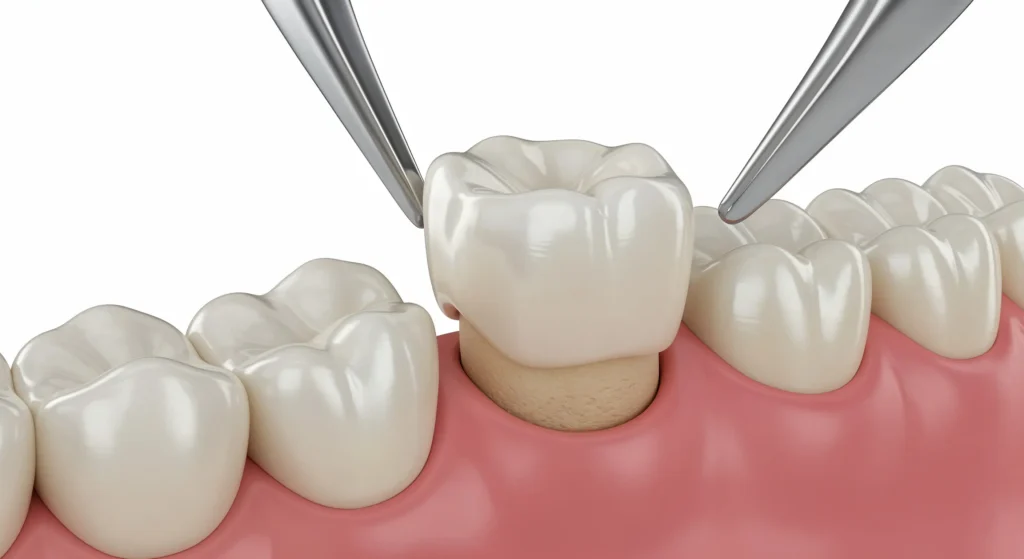

Dental pain has a way of hijacking the entire day. People who would never ignore chest pain or a deep cut often try to push through a severe tooth problem, hoping it will settle down by morning. Sometimes it does not. In a dental setting, timing matters more than many patients realize. A problem that begins as a small crack, a lingering ache, or a bit of gum swelling can turn into a much larger infection or a lost tooth if it is left alone too long.
An Emergency Dentist is not just for dramatic accidents. Yes, sports injuries and falls belong in that category, but so do several common situations that start quietly and worsen fast. The hard part is knowing which symptoms can wait for a routine appointment and which ones deserve immediate care. After years of seeing patients who waited a day too long, the pattern is familiar. The biggest regret is rarely overreacting. It is almost always underestimating the seriousness of what the mouth is trying to signal.
When a dental issue crosses the line
A true dental emergency usually falls into one of a few buckets. There is uncontrolled pain, active bleeding, trauma, swelling, or signs of infection. There is also loss of function, like not being able to bite down normally, or visible damage that exposes the sensitive inner part of a tooth. You do not need to diagnose the cause at home. You only need to recognize that the situation is not behaving like a routine cavity or a little sensitivity from cold drinks.
These ten signs deserve prompt attention, often the same day.
Severe tooth pain that does not ease up
A throbbing tooth that keeps you awake, makes it hard to focus, or radiates into the jaw or ear is one of the clearest reasons to call an Emergency Dentist. Mild sensitivity can come from worn enamel, a recently placed filling, or gum recession. Severe, unrelenting pain is different. It often points to inflammation inside the tooth, a deep cavity, an abscess, or a crack extending into the nerve.
A detail that matters is whether the pain lingers after a trigger is gone. If cold water hits the tooth and the ache sticks around for 30 seconds, a minute, or longer, that is more concerning than a quick zing. The same goes for pain that intensifies when lying down. Increased blood flow can make an inflamed tooth feel dramatically worse at night, which is why many emergency calls happen after dinner.
People sometimes try clove oil, over the counter gels, or repeated doses of pain relievers. Those can mask symptoms without solving the cause. If the pain is escalating, especially over several hours, waiting usually means a rougher night and a more difficult treatment the next day.
Facial swelling or gum swelling that is spreading
Swelling is one of the most important warning signs in dentistry. A puffy gum around one tooth may indicate a localized infection. Swelling in the cheek, jawline, or under the eye suggests the issue may be spreading beyond the tooth itself. Once that happens, the situation moves quickly from uncomfortable to medically significant.
In practice, the difference between a patient who comes in early and one who waits can be striking. Early on, there may be a small gum boil or tenderness near the root. Two days later, the face can look visibly asymmetrical, the skin can feel tight, and opening the mouth may become difficult. That progression is not rare.
If swelling is paired with fever, a bad taste in the mouth, pus drainage, difficulty swallowing, or trouble breathing, it needs urgent attention immediately. A dental infection can spread into deeper spaces of the face and neck. That is not a home remedy situation.
A knocked-out tooth
A tooth that has been completely knocked out is one of the few dental problems where minutes genuinely matter. In the best cases, the tooth can sometimes be reimplanted successfully if the patient gets to an Emergency Dentist fast enough. The window is not huge. The highest success rates are usually within 30 to 60 minutes, although dentists will still assess the tooth even if more time has passed.
The biggest mistake people make is handling the root. The root surface contains delicate cells that matter for reattachment. The tooth should be picked up by the crown, which is the part normally visible in the mouth, then gently rinsed if dirty. Scrubbing, drying it out, or wrapping it in tissue lowers the chances of saving it.
If possible, the tooth can be placed back into the socket carefully. If that is not realistic, storing it in milk or a tooth preservation solution is generally better than plain water. Then go straight in. This is one of the few situations where a rapid response can make the difference between keeping and losing a natural tooth.
A cracked, broken, or split tooth with pain
Not every chipped tooth is an emergency. A tiny edge chip with no pain can often wait a short time. A tooth that is cracked through a cusp, broken enough to expose yellow dentin or pink tissue, or painful when biting is a different story.
Cracks are tricky because they do not always look dramatic. Sometimes the tooth appears mostly intact, but the patient describes a sharp stab when releasing pressure after chewing. That classic symptom often means a crack is flexing under force. Left untreated, the fracture can deepen and split the tooth further.
There is also an infection risk. Once bacteria gain access to the inner layers of the tooth, the nerve can become inflamed or die. People are often surprised by how quickly a cracked tooth can go from occasional discomfort to full emergency pain. Hard foods, nighttime grinding, and old large fillings are common contributors.
When the tooth is visibly broken and rubbing against the tongue or cheek, there is a practical reason to act quickly as well. Soft tissue injuries inside the mouth can become sore and ulcerated within a day or two.
Bleeding in the mouth that does not stop
A little blood after flossing too aggressively is not an emergency. Bleeding that continues after a tooth extraction, trauma, or an unexplained injury is. The mouth has a rich blood supply, so even a small wound can look dramatic. What matters is whether it stops with direct pressure.
If someone bites on clean gauze for 20 to 30 minutes and the bleeding still continues steadily, that deserves prompt evaluation. Persistent bleeding can come from a dislodged clot, a laceration, a fractured tooth at the gumline, or a complication tied to blood thinners or an underlying medical condition.
Dry socket is another issue patients confuse with bleeding. Dry socket after an extraction is usually more about significant pain and loss of the protective clot than heavy bleeding. Both warrant a call, but ongoing bleeding needs faster action. It is especially important in children, older adults, and anyone on anticoagulants, because blood loss can be more consequential than it first appears.
A loose adult tooth
Adult teeth should not become mobile without a reason. If a permanent tooth suddenly feels loose, shifts position, or moves when you bite, there is often trauma, advanced infection, or damage to the supporting bone and ligament.
Sometimes the cause is obvious, such as being hit in the mouth during a game. Other times it is more subtle. A patient might say the tooth started feeling “high” or “off” while chewing, then loosened over a day or two. Infections around the root can erode support. Gum disease can do the same, though that is usually slower. Either way, a loose permanent tooth is not something to watch for a week.
Children are a different story because baby teeth are meant to https://6735742718471.gumroad.com/p/emergency-dentist-visits-common-myths-and-facts loosen. But if a child has trauma to a permanent front tooth, urgent dental assessment is wise even if the tooth looks only slightly displaced. The earlier a dentist can stabilize and evaluate it, the better the odds for long-term survival.
Signs of an abscess, especially bad taste, pus, or fever
An abscess is one of the most common reasons people end up needing an Emergency Dentist, and it is one of the easiest to underestimate. Patients often explain it as a “pimple on the gum” that came and went. That little bump, called a draining fistula, can temporarily relieve pressure, which tricks people into thinking the problem has improved. It has not. It has simply found an outlet.
A true dental abscess may produce throbbing pain, swelling, tenderness to biting, foul breath, pus, or a salty and unpleasant taste if it drains. Fever and swollen glands raise the stakes. The tooth may even stop hurting for a while if the nerve dies, but the infection in the surrounding bone can continue.
One of the more deceptive scenarios is the patient who says, “It does not hurt much anymore, but now my face is swelling.” That is not good news. It often means the pressure has moved outward. Treating an abscess promptly can prevent spread, protect neighboring structures, and in some cases save the tooth.
You cannot open your mouth normally or it hurts to swallow
Difficulty opening the mouth, called trismus, is a serious sign when it appears alongside tooth pain, swelling, or a suspected infection. It can happen after trauma, around impacted wisdom teeth, or when inflammation spreads into the muscles and tissues used for chewing. Patients sometimes describe it as a jaw that suddenly feels locked, tight, or too sore to move.
This matters because limited opening can make eating, speaking, and oral hygiene difficult, and it may signal a deeper infection in spaces that do not tolerate swelling well. Painful swallowing is also a red flag. It can mean the infection is affecting tissues farther back in the mouth or throat.
Dentists pay close attention to these symptoms because they can worsen quickly. If the mouth opening is shrinking over hours rather than days, or swallowing feels progressively harder, that is not something to monitor overnight.
A lost filling, crown, or bridge when there is significant pain or exposure
A filling or crown falling out does not always require an immediate appointment, but context matters. If the exposed tooth is sharply painful, highly sensitive to air or temperature, visibly fractured underneath, or impossible to chew on, urgent care is appropriate.
The reason is simple. Once a restoration comes off, the underlying tooth may be vulnerable, thin, or already decayed. Crowns often cover teeth that have had root canals, large fractures, or extensive fillings. Losing that protection can lead to cracking or bacterial contamination. In some cases, the “crown came off” story turns out to be a crown plus a chunk of tooth structure, which changes the treatment plan significantly.
A front crown that comes off can also create a social and professional emergency, though dentists still triage based on pain, damage, and risk to the tooth itself. If you have the crown, keep it clean and bring it with you. Sometimes it can be recemented, but only if the fit and the underlying tooth are still sound.
A toothache after trauma, even if there is no obvious break
Not every dental injury announces itself with a dramatic crack or missing tooth. A blow to the mouth from a fall, elbow, steering wheel, or flying object can bruise the tooth ligament, fracture the root, or damage the nerve without leaving an obvious visible sign.
This is especially common with front teeth. A patient may look in the mirror, see nothing alarming, and assume the soreness will pass. Then two days later the tooth darkens slightly, feels loose, or becomes increasingly tender to touch. That delayed pattern is a clue that the internal structures took more damage than the outside suggested.
Trauma also matters because of the surrounding tissues. Cuts inside the lip can hide tooth fragments. A tooth can be pushed upward, inward, or slightly out of line in ways that are easy to miss without an exam and X-rays. If the bite feels different after a hit to the mouth, that alone justifies prompt evaluation.
Pain and swelling around a wisdom tooth
Wisdom tooth flare-ups are notorious for turning a manageable annoyance into an emergency over a weekend. Partially erupted wisdom teeth create a pocket of gum tissue that traps food and bacteria. The resulting infection, often called pericoronitis, can cause gum swelling, bad taste, jaw pain, and difficulty opening the mouth.
At first it may feel like a little soreness in the back corner. Then chewing becomes painful, the gum starts to feel tender and swollen, and the area may radiate pain into the ear or throat. If the tissue becomes significantly inflamed, even swallowing can feel awkward. Because wisdom teeth sit so far back, home care is harder and swelling can spread before a patient realizes how inflamed the area has become.
This is one of those conditions where people often wait because the pain “comes and goes.” That pattern is common, but repeated flare-ups usually mean the anatomy is working against you. If the area is actively swollen and painful, an Emergency Dentist can address the immediate problem and help decide whether removal should follow once the infection settles.
What to do while you are arranging care
Until you are seen, a few practical steps can help reduce harm and keep the situation from getting worse.
- Rinse gently with warm salt water if the mouth is sore or swollen, unless a dentist has told you not to disturb a surgical site.
- Use a cold compress on the outside of the face for swelling or after trauma, usually 15 to 20 minutes at a time.
- Take over the counter pain medicine only as directed on the label and only if it is safe with your medical history.
- Avoid placing aspirin directly on the gum or tooth, which can burn the tissue.
- If a tooth or restoration has come out, bring it with you in a clean container.
What you should not do is equally important. Do not ignore rapidly increasing swelling. Do not keep chewing on a cracked tooth to “test it.” Do not assume antibiotics alone will fix a source of dental infection. In many cases the tooth still needs treatment, drainage, or extraction to remove the cause.
Knowing the difference between urgent and routine
There are dental problems that feel bothersome but do not usually require same day emergency care. Mild sensitivity to cold, a small chip with no pain, food stuck between teeth, or a dull ache that responds well to simple measures may be suitable for a prompt routine visit rather than true emergency treatment. The dividing line is how intense, progressive, and disruptive the symptoms are.
These clues generally move a problem into the urgent category:
| Sign | Why it matters | | --- | --- | | swelling | may indicate spreading infection | | severe pain | suggests nerve involvement or abscess | | trauma | can damage teeth, roots, and bone | | persistent bleeding | may require direct treatment | | fever or swallowing trouble | raises concern beyond a simple toothache |
Patients sometimes worry about “bothering” the office. Good dental teams would rather hear from you early, when the problem might be simpler to manage, than late, when the options are narrower and the costs are higher. A tooth that could have been stabilized on Friday can become a weekend extraction by Sunday night.
Why fast treatment can save more than a tooth
Emergency dental care is not just about pain relief, though that matters plenty. It is also about preserving options. A small crack may be restored before it splits. A knocked-out tooth may be saved if handled correctly. An abscess may be controlled before it compromises more tissue or affects overall health.
There is also a financial reality that patients appreciate once the dust settles. Delayed care tends to become more complex care. A simple filling can turn into a root canal and crown. A crown can become an extraction and implant. That is not fearmongering, it is the progression dentists see every week.
If any of these ten signs sound familiar, trust the pattern. Severe pain, swelling, trauma, bleeding, infection, and sudden changes in how a tooth feels or functions are not minor warnings. They are signals to call an Emergency Dentist right away.
Simple Dental South Gate
Address: 8617 California Ave, South Gate, CA 90280
Phone number: +13236896118
FAQ About Emergency Dentist Southgate CA
What can the ER do for a tooth?
The emergency room can provide temporary symptom relief for a bad tooth, such as prescribing pain medicine or antibiotics, but it cannot fix the actual dental problem.
What is the 3-3-3 rule for tooth infection?
The 3-3-3 rule for a toothache or infection typically means taking three 200 mg ibuprofen tablets (600 mg total) three times a day for no more than three days to control pain and swelling while waiting to see a dentist.
What do you do if you have a dental emergency but no dentist?
If you have a dental emergency and no regular dentist, you should search for an urgent care dental clinic, call local walk-in dental offices, or go to a hospital emergency room if you have severe bleeding, swelling, or trouble breathing.